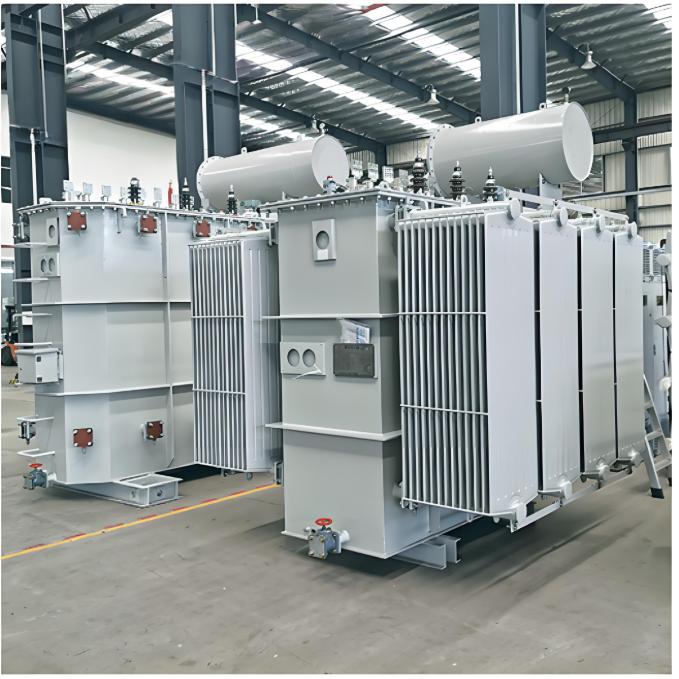
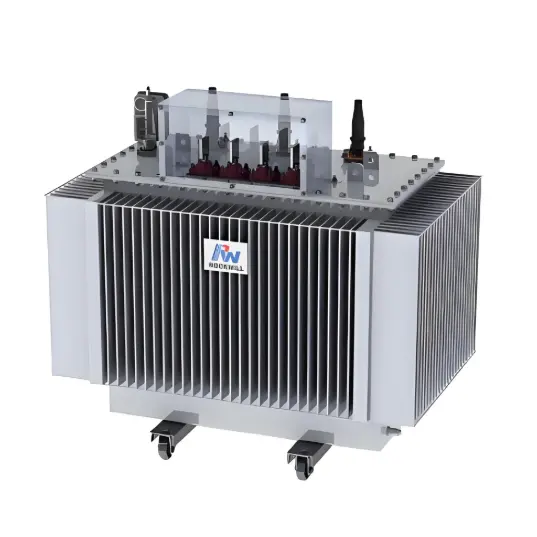
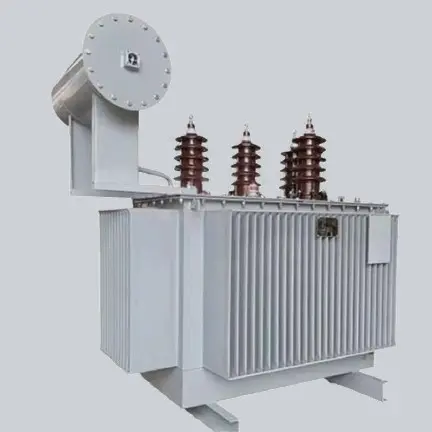
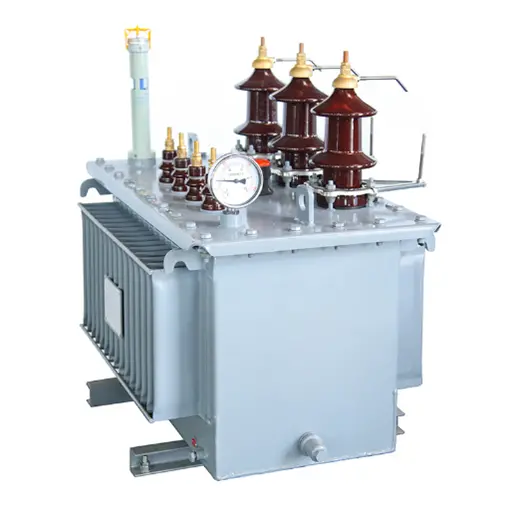
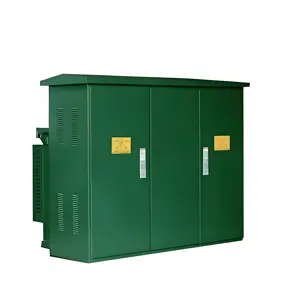
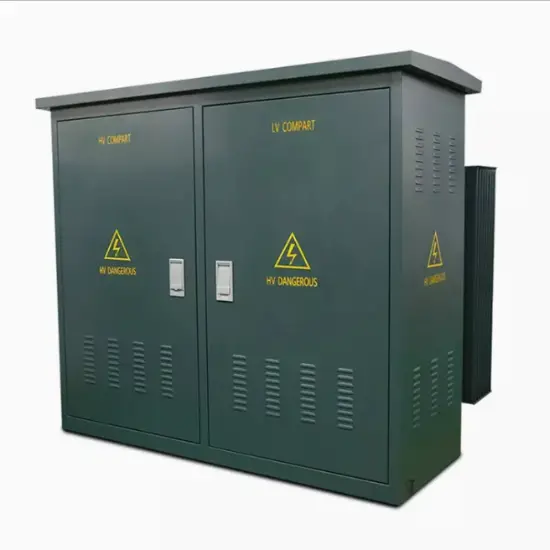
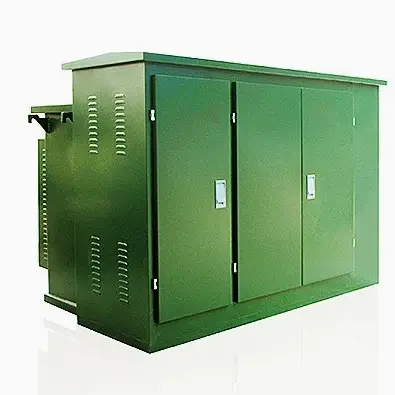
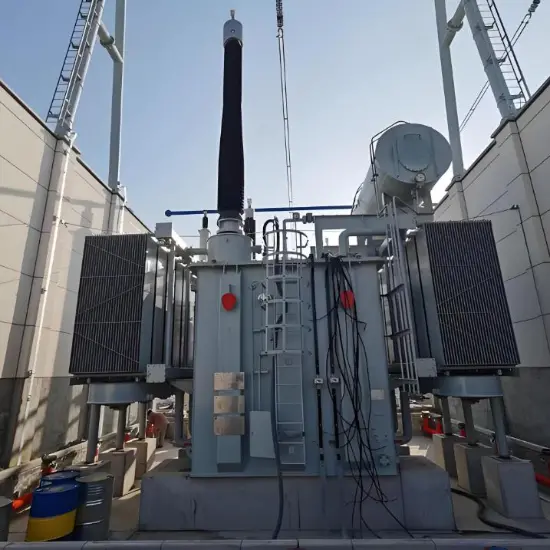
840MVA/500kV GSU Generator Step-Up Transformer Hydro Power Plant
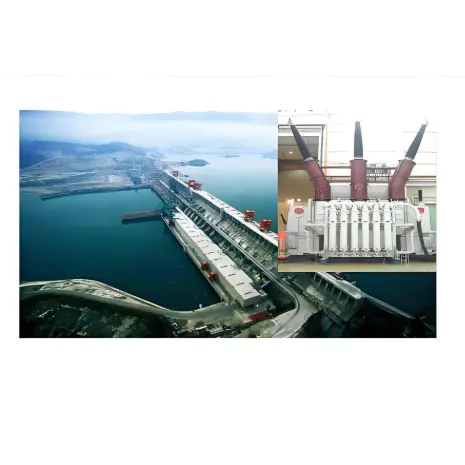
| Brand | ROCKWILL |
| Model NO. | 840MVA/500kV GSU Generator Step-Up Transformer Hydro Power Plant |
| Rated frequency | 50/60Hz |
| Series | GSU |
Description of GSU for Hydro P/P
GSU (Generator Step-Up) Transformer for Hydroelectric Power Plants (Hydro P/P) is a critical equipment connecting hydropower generators to the transmission grid. Its core function is to boost the low-voltage electricity (typically 6.3kV–13.8kV) generated by hydro turbines—driven by water flow—into high-voltage power (110kV–500kV or higher). This enables efficient long-distance transmission of hydropower, minimizes line losses, and ensures stable integration with the main grid. As a key link in hydropower systems, it directly supports the reliable delivery of clean, renewable energy from dams or run-of-river plants to end-users.
Features of GSU for Hydro P/P
Adaptability to Variable Loads: Optimized to handle fluctuating power output caused by water flow variations (e.g., seasonal changes, dam release adjustments), with strong overload capacity to accommodate sudden surges in generation.
High Insulation & Moisture Resistance: Designed for hydroelectric environments (often near water or in humid conditions), using moisture-resistant insulation materials and sealed tank structures to prevent water ingress and insulation degradation.
Compact Design for Space Constraints: Suitable for installation in confined areas (e.g., powerhouses within dams), with a space-saving structure that fits alongside turbines and other hydropower equipment without compromising performance.
Low Noise Operation: Adopts low-loss core materials and vibration-damping designs to reduce operational noise, aligning with environmental regulations—critical for hydropower plants in ecologically sensitive or residential areas.
Grid Compatibility: Equipped with voltage regulation and harmonic filtering features to meet grid codes, ensuring stable power quality (e.g., minimal voltage fluctuations) when integrating hydropower into the grid.
Long-Term Durability: Constructed with corrosion-resistant components (e.g., stainless steel hardware) to withstand damp, possibly saline environments (for coastal hydro plants), ensuring a design life of 30+ years with minimal maintenance.

Related Products
-
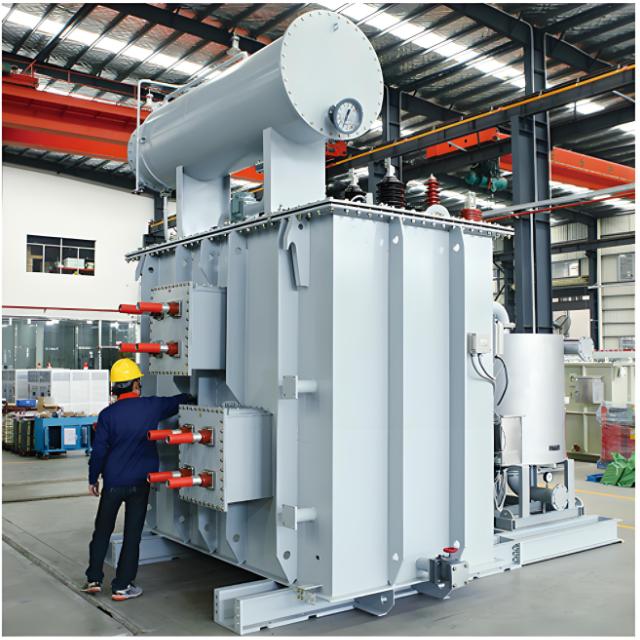
Customization 10kV 17.5kV 30kV 35kV Three phase Oil-Immersed Electric Furnace Transformers
-
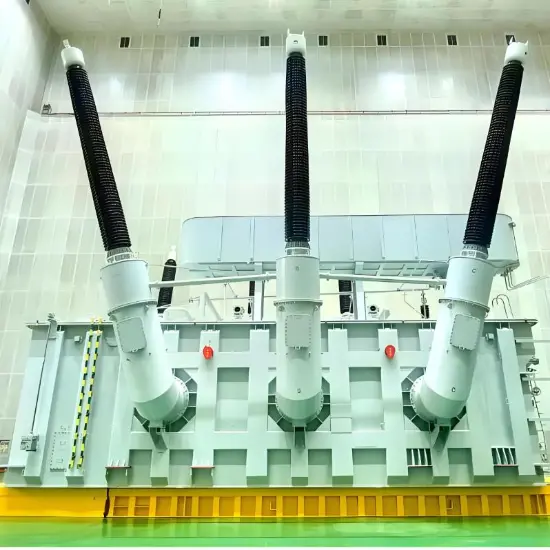
800kV 1000kV Single-phase Autotransformer with Three Windings and No Excitation manufacturer
-
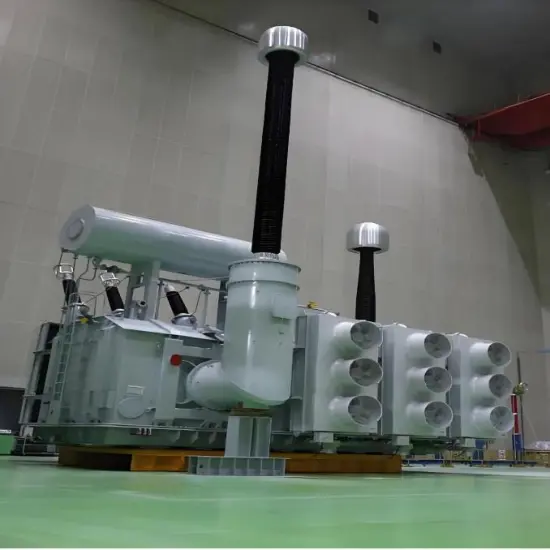
735kV 750kV 765kV Single-phase Oil-Immersed Autotransformer with Three Windings and No Excitation
-
500kV 550kV Single-phase Oil-Immersed Air-Cooled Autotransformer with Three Windings and No Excitation
-
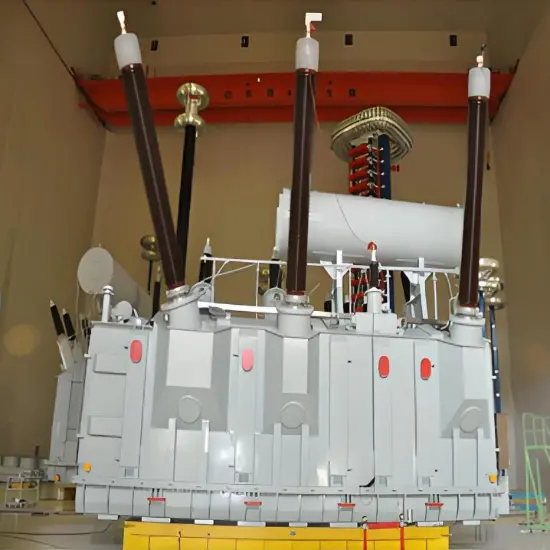
245kV 275kV 400kV 330kV Three-Phase Three-Winding On-Load Tap-Changing Autotransformer
-
Customization 363kV 345kV 400kV 550kV Class High Voltage oil-immersed Power transformer

-
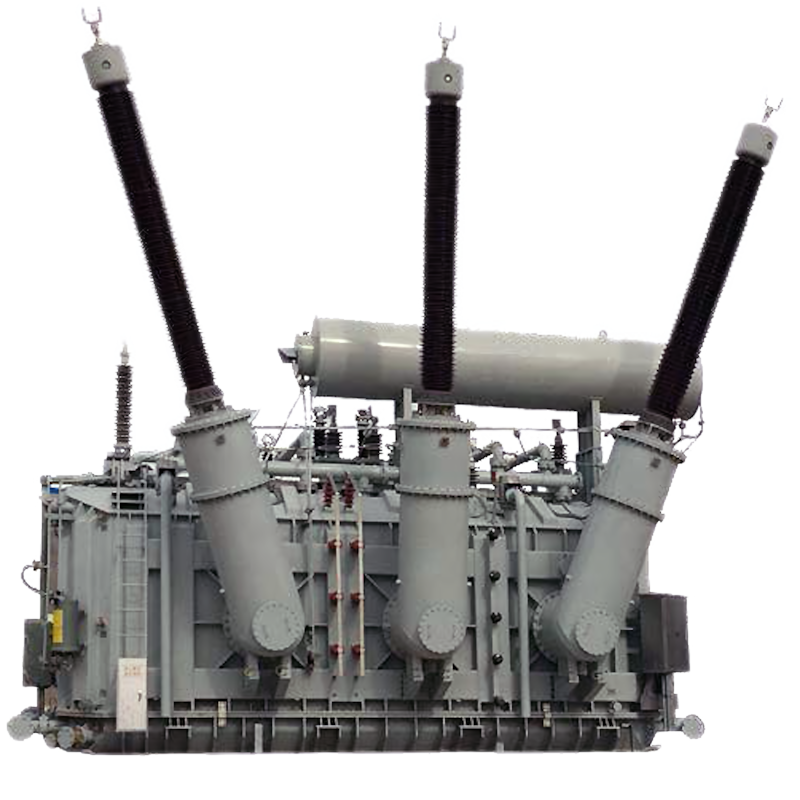
230kV 245kV 275kV 330kV Class Core-type oil-immersed power transformer Original Manufacturer
-
Customization 220kV 225kV 230kV 245kV Class oil-immersed three-phase Power transformer

-
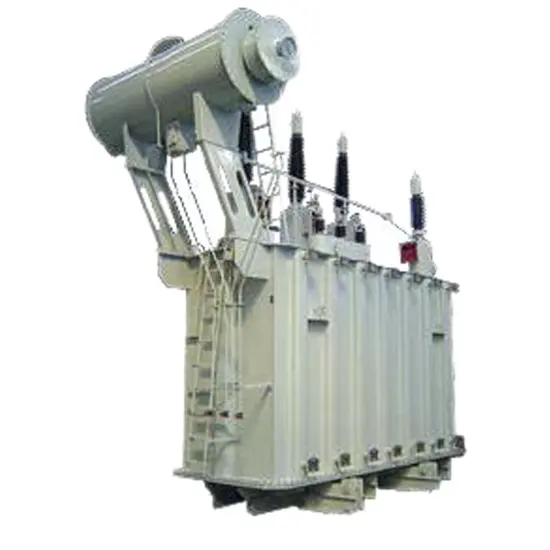
110kV 123kV 132kV 145kV Class Core-type oil-immersed High Voltage power transformer
-
160kVA-10000kVA Three-phase Oil-immersed Rectifier Transformer