Trinity Insulation Strategy: Synergistic Control for HV Breaker Reliability
I. Hazard Root Cause Analysis: Insulation Failure Mechanisms and Empirical Evidence
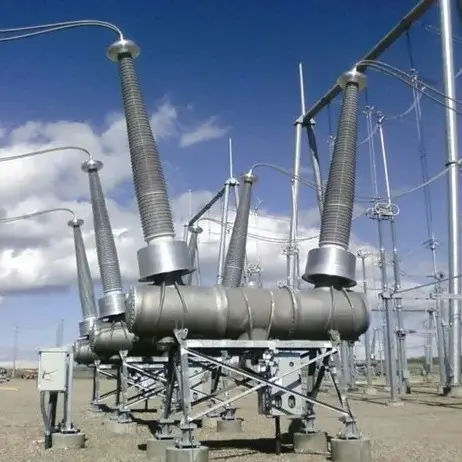
Insulation performance is core to the safe operation of high-voltage dead tank circuit breakers. Internal insulation is significantly affected by SF6 gas purity, moisture content, and internal impurities. Non-standard manufacturing processes or poor tank sealing in some units can lead to SF6 leakage, moisture intrusion, or the retention of free metal particles and electrode burrs. During long-term operation, these factors trigger partial discharge (PD) and age insulation components, ultimately resulting in insulation breakdown and flashover accidents—defects that are often difficult to detect through traditional offline maintenance tests.
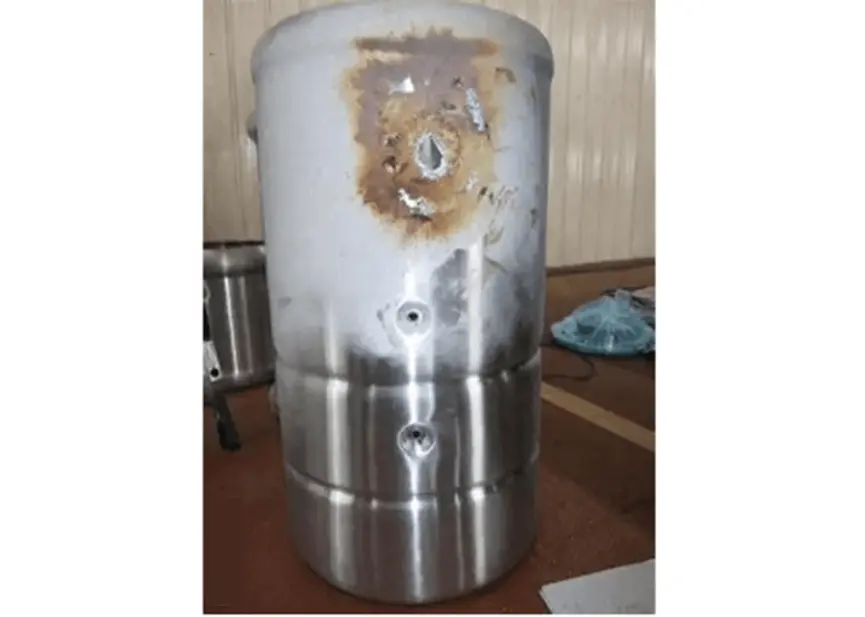
Typical Case: A 230kV dead tank circuit breaker (LW56-230) at a substation showed signs of severe insulation failure after 10 years of operation. Ultrasonic PD testing revealed that the Phase A signal significantly exceeded standards (RMS up to 15mV, Peak up to 65mV; far exceeding the normal range of RMS ≤ 2mV and Peak ≤ 5mV), with clear 50Hz and 100Hz correlations. Disassembly confirmed that loose internal bolts had created a floating potential and residual free metal particles remained within the tank. The long-term PD had caused mild aging of insulation components; if left untreated, this would have easily triggered insulation breakdown and large-scale power grid outages.
II. "Trinity" Strengthening Strategy: Synergistic Upgrades in Process, Sealing, and Monitoring
Focusing on insulation enhancement and hazard prevention, we adopt a three-pronged approach—process, sealing, and monitoring—to rapidly resolve core issues and eliminate the risk of breakdown and flashover:
-
Process Improvement and Impurity Control: Optimize CNC machining for tank bodies to reduce electrode burrs; implement multiple purification stages to strictly control internal impurities such as free metal particles and dust. Insulation components utilize high-performance APG (Automatic Pressure Gelation) material, ensuring bubble-free casting, increasing insulation strength by over 30%, and incorporating anti-aging additives to extend service life.
-
Sealing Reinforcement: Implement a dual-sealing structure using high-temperature, aging-resistant fluororubber seals and laser welding technology to ensure an SF6 leakage rate of $\le 0.1% per year. Equip the system with SF6 leakage sensors for real-time concentration monitoring and proactive alarming to prevent moisture intrusion and gas loss.
-
Online Partial Discharge Prevention & Control: Deploy ultrasonic sensors at critical points on the tank, integrated with an online PD monitoring system. This allows for real-time capture of PD signals, precise identification of defect types, and early warning of insulation hazards, compensating for the limitations of traditional offline tests and preventing defects from escalating into breakdown accidents.
III. Efficacy Verification: Hazard Elimination and Long-Term Stable Operation
By implementing this solution, insulation hazards can be effectively controlled, preventing breakdown and flashover accidents caused by PD. Based on practical transformation experience, the PD signals of retrofitted equipment remain stable within the normal range, the SF6 leakage rate is drastically reduced, and the service life of insulation components is significantly extended. This comprehensively resolves issues of insufficient insulation performance and ensures the safe and stable operation of high-voltage dead tank circuit breakers.