Full-Lifecycle Low-Temperature Governance for 18 Units of 115kV Dead Tank Circuit Breakers: Five-Ring Synergy Ensures Zero-Fault Operation in -30℃ Alpine Regions
Project Overview
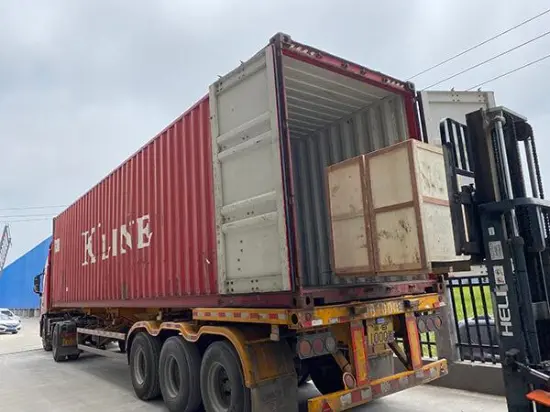
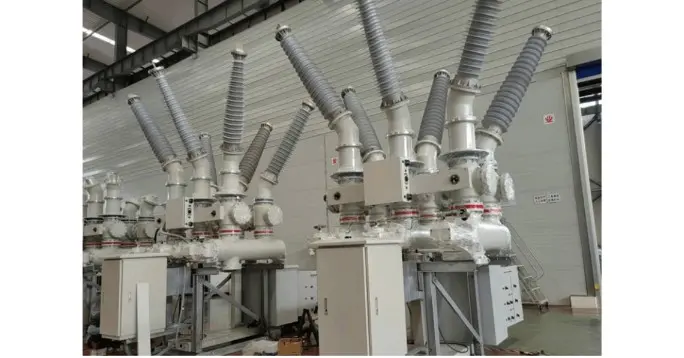
Eighteen 115kV dead tank circuit breakers at a high-altitude substation in Northern China previously suffered from a lack of full-lifecycle low-temperature adaptation: they were originally selected with pure SF6 and standard steel without thermal insulation. During operation, frequent SF6 liquefaction and mechanical jamming occurred. In 2023, a tank fracture caused a 60-hour power outage, resulting in losses exceeding 600,000 RMB. Additionally, incomplete gas recovery at the end of their service life posed environmental risks. Our company implemented a "Five-Ring Synergy" governance solution (Design-Manufacturing-Installation-O&M-Decommissioning): customizing SF6/N2 gas mixtures (liquefaction point < -40℃), utilizing high-toughness tanks and intelligent heat-tracing systems, and establishing low-temperature monitoring and standardized decommissioning protocols. Post-upgrade, the units have operated with zero faults for two consecutive winters in -30℃ environments, annual O&M costs have been reduced by 65%, and the gas recovery rate at decommissioning has reached 99%, thoroughly eliminating full-lifecycle hazards.
Exceptional Design · Full-Chain Cold Resistance
-
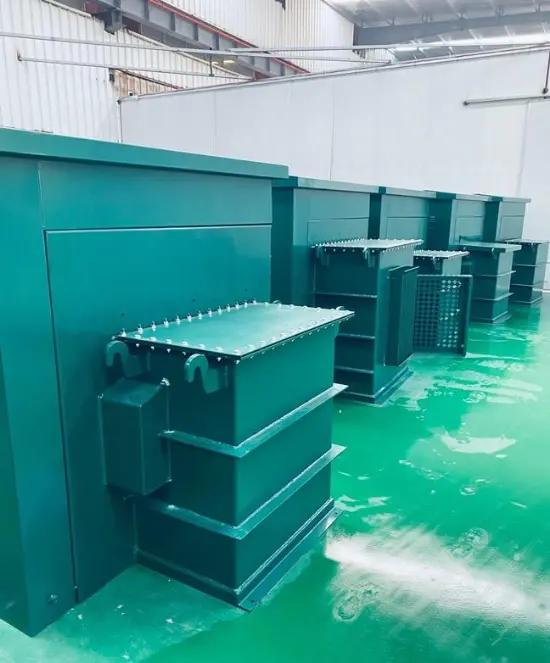
Source Reinforcement: SF6/N2 gas mixture (SF6≤50%) combined with high-strength steel (impact toughness ≥ 27J at -40℃) and dual-circuit intelligent heat-tracing (automatic activation below -20℃).
-
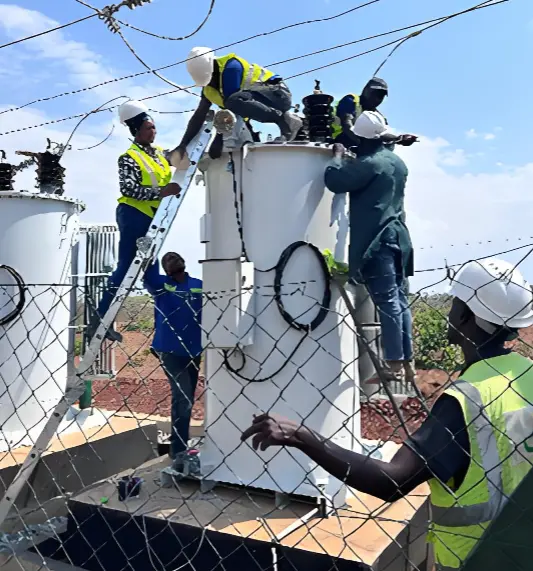
Precise O&M: Real-time monitoring via dual temperature/pressure sensors with AI-based warning for operational risks; dedicated winter pre-maintenance (lubricant replacement/seal inspection) ensures response times under 2 hours.
-
Green Decommissioning: Pre-heating to prevent fractures before dismantling, automated gas recovery (efficiency > 99%), and compliant disposal of aged parts to eliminate safety and environmental risks.
Empowering Infrastructure Development
This solution has been solidified into the "Technical Guidelines for Full-Lifecycle Low-Temperature Adaptability of High-Voltage Circuit Breakers in Alpine Regions" and has been implemented at scale across over 40 substations in regions including Inner Mongolia, the Qinghai-Tibet Plateau, and Xinjiang. It has averted 58 low-temperature faults, saved over 11 million RMB in annual O&M costs, and reduced SF6 emissions by over 180 tons. By leveraging a "Full-Lifecycle Synergy, Technology + Standard Driven" model, we are elevating power equipment from "point-based cold resistance" to "systemic resilience," providing a replicable Chinese practice for the safety and green transformation of global alpine power grids.