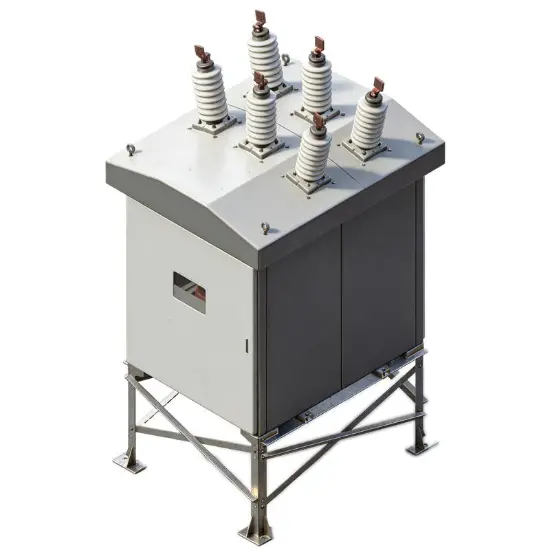
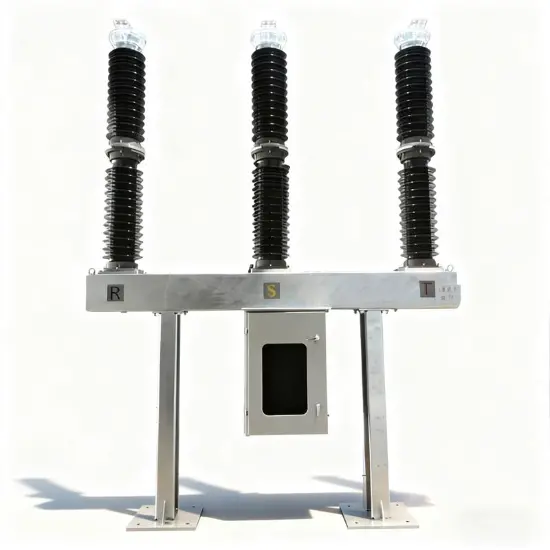
120kV 168kV 204 kV Interruptor de Vacío de Tipo Tanque (IVT)
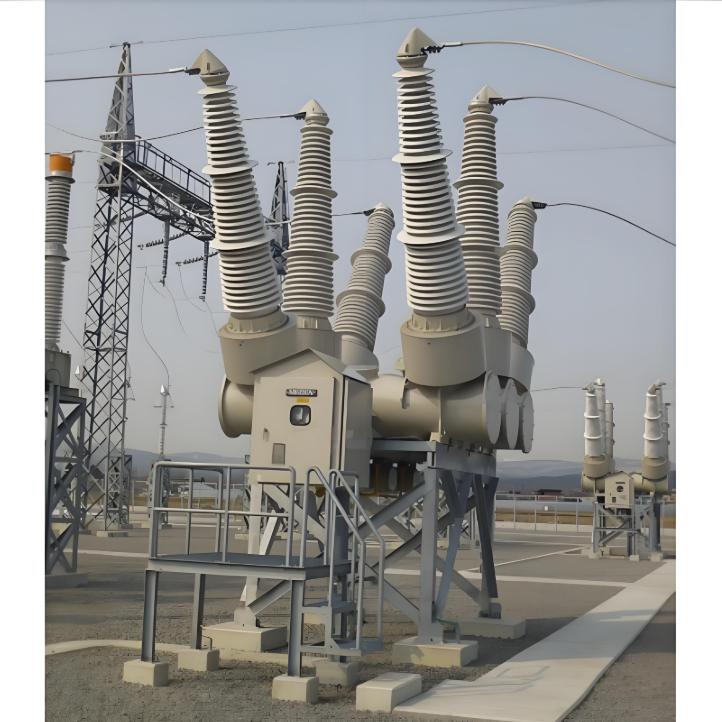
| Marca | ROCKWILL |
| Número de modelo | 120kV 168kV 204 kV Tank Type Vacuum Circuit Breaker(VCB) |
| voltaje nominal | 204kV |
| corriente nominal | 2000A |
| frecuencia nominal | 50/60Hz |
| Serie | VBO |
Descripción
Los interruptores de circuito de vacío (ICV) tipo tanque de 120 kV, 168 kV y 204 kV son soluciones de conmutación de alta tensión diseñadas para un rendimiento robusto en redes de transmisión y distribución de media tensión. Diseñados con una estructura de tanque sellado (tipo tanque) para encapsular los componentes principales, estos ICV utilizan interrumpidores de vacío para una extinción de arco fiable, garantizando una interrupción segura y eficiente de la corriente en sistemas de media a alta tensión.
Ideales para subestaciones de servicios públicos, redes eléctricas industriales y proyectos de integración de energías renovables (como parques eólicos y solares), estos interruptores cubren un rango de voltaje versátil para satisfacer diversas necesidades de red. Su diseño tipo tanque mejora la estabilidad del aislamiento y la resistencia ambiental, mientras que la tecnología de vacío elimina la necesidad de gases invernadero como el SF₆, alineándose con las iniciativas globales de bajo carbono. Ya sea desplegados en entornos exteriores adversos o en subestaciones interiores compactas, ofrecen operación constante, larga vida útil y reducción de costos a lo largo de su ciclo de vida, convirtiéndolos en una opción sostenible para la infraestructura eléctrica moderna.
Características del Producto
Interruptor de circuito amigable con el medio ambiente y con excelente rendimiento antisísmico. Debido a que se utiliza un interrumpidor de vacío (IV) en la parte de interrupción, tiene un excelente rendimiento de interrupción y no hay descomposición de gas por la interrupción de corriente. Se puede incorporar un transformador de corriente de bocacha (TCB) en el tanque. Esto reduce el espacio ocupado. No requiere inspección de la parte de interrupción abriendo. Puede lograr un ahorro en los costos de mantenimiento. También reduce la cantidad de gas SF6 requerida hasta aproximadamente 1/3 en comparación con el interruptor de circuito de gas (ICG).
Excelente rendimiento de interrupción a través del aislamiento de vacío de la parte de interrupción
Menor espacio ocupado mediante la adopción de TCB incorporado
Puede ahorrar en los costos de mantenimiento ya que no requiere inspección de la parte de interrupción abriendo.
Puede lograr una reducción de aproximadamente 40% en los costos a lo largo de su ciclo de vida (LCC) en comparación con el ICG
Excelente rendimiento antisísmico debido al centro de gravedad bajo
Tipo amigable con el medio ambiente. Puede reducir la cantidad de gas SF6 en comparación con el ICG
Especificaciones
Tensión nominal (kV) |
120kV |
168kV |
204kV |
|||
Corriente nominal (A) |
1200 |
2000 |
1200 |
2000 |
1200 |
2000 |
Corriente de interrupción nominal (kA) |
31.5 |
31.5 |
40 |
31.5 |
40 |
|
Tiempo de apertura nominal (s) |
0.06 (5 ciclos) |
0.037 |
||||
Tiempo de interrupción nominal (ciclos) |
5/3 |
3 |
||||
Ciclo de operación |
A (O - 1 min - CO - 3 min - CO), B (CO - 15 seg - CO), R (O - 0.35 seg - CO - 1 min - CO) |
|||||
Tiempo de cierre (s) |
0.13 |
|||||
Voltaje nominal de operación de cierre (V) |
DC100 |
|||||
Voltaje nominal del motor (V) |
DC100 |
|||||
Medio de aislamiento |
Gas SF6 |
|||||
Presión nominal del gas (MPa-g) |
0.15 (20℃) |
|||||
Sistema de operación |
Resorte cargado por motor |
|||||
Normas aplicables |
JEC-2300 (1998) |
|||||
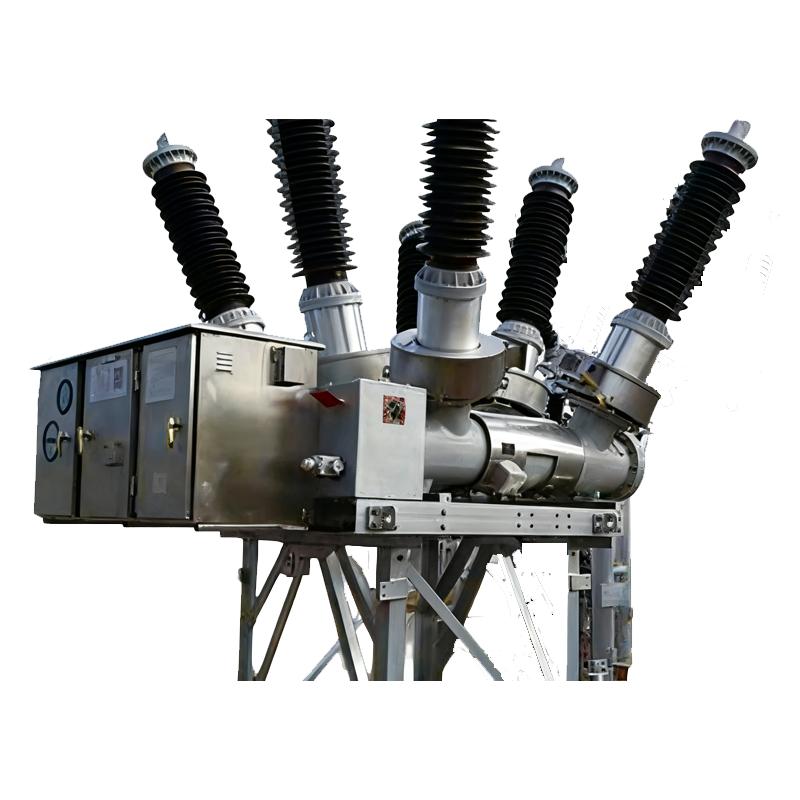
La tasa de fuga de gas SF₆ debe controlarse en un nivel extremadamente bajo, típicamente no superior al 1% por año. El gas SF₆ es un potente gas de efecto invernadero, con un efecto invernadero 23,900 veces mayor que el del dióxido de carbono. Si se produce una fuga, no solo puede causar contaminación ambiental, sino también llevar a una disminución de la presión del gas dentro de la cámara de extinción del arco, afectando el rendimiento y la confiabilidad del interruptor.
Para monitorear la fuga de gas SF₆, generalmente se instalan dispositivos de detección de fugas de gas en los interruptores de tipo tanque. Estos dispositivos ayudan a identificar rápidamente cualquier fuga para que se puedan tomar medidas apropiadas para abordar el problema.
Estructura Integral del Tanque:
-
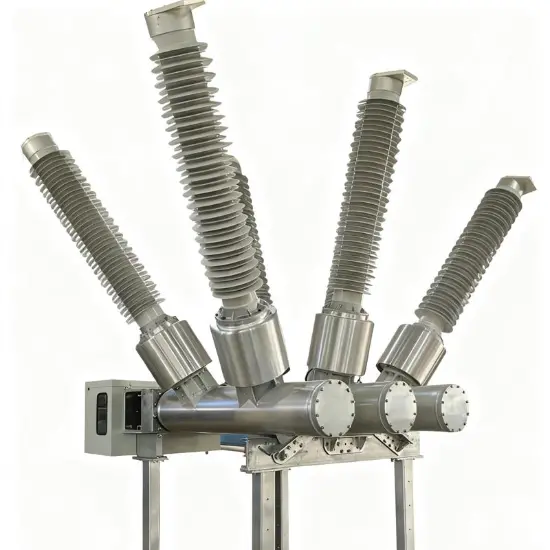
Estructura Integral del Tanque: La cámara de extinción de arco, el medio aislante y los componentes relacionados están sellados dentro de un tanque metálico lleno de gas aislante (como hexafluoruro de azufre) o aceite aislante. Esto forma un espacio relativamente independiente y sellado, que previene eficazmente que los factores ambientales externos afecten a los componentes internos. Este diseño mejora el rendimiento aislante y la confiabilidad del equipo, haciéndolo adecuado para diversos entornos exteriores adversos.
Disposición de la Cámara de Extinción de Arco:
-
Disposición de la Cámara de Extinción de Arco: La cámara de extinción de arco generalmente se instala dentro del tanque. Su estructura está diseñada para ser compacta, permitiendo una extinción de arco eficiente en un espacio limitado. Dependiendo de los diferentes principios y tecnologías de extinción de arco, la construcción específica de la cámara de extinción de arco puede variar, pero generalmente incluye componentes clave como contactos, boquillas y materiales aislantes. Estos componentes trabajan juntos para asegurar que el arco se extinga rápidamente y eficazmente cuando el interruptor interrumpe la corriente.
Mecanismo de Operación:
-
Mecanismo de Operación: Los mecanismos de operación comunes incluyen mecanismos accionados por resorte y mecanismos accionados hidráulicamente.
-
Mecanismo Accionado por Resorte: Este tipo de mecanismo es simple en estructura, altamente confiable y fácil de mantener. Impulsa las operaciones de apertura y cierre del interruptor a través del almacenamiento y liberación de energía en los resortes.
-
Mecanismo Accionado Hidráulicamente: Este mecanismo ofrece ventajas como alta potencia de salida y operación suave, lo que lo hace adecuado para interruptores de alta tensión y alta corriente.
Productos relacionados
-
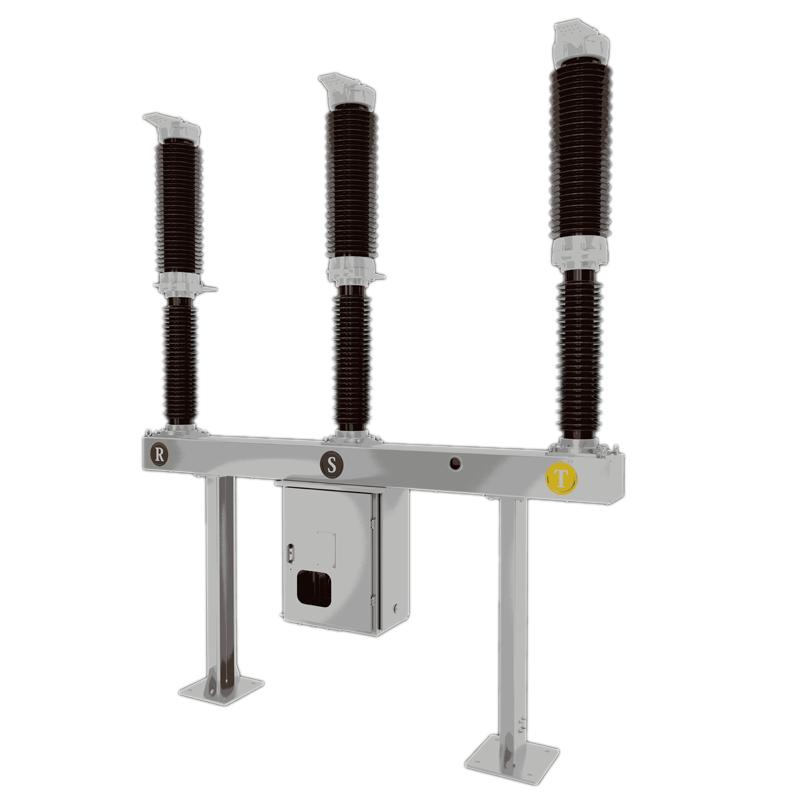
Interruptor de vacío de alta tensión de 72.5 kV
-
40.5kV 72.5kV 145kV 170kV 245kV Interruptor de circuito de tanque muerto a vacío

-
52kV 72.5kV 123kV 145kV 170kV 252kV 363kV Interruptor de vacío con tanque vivo

-
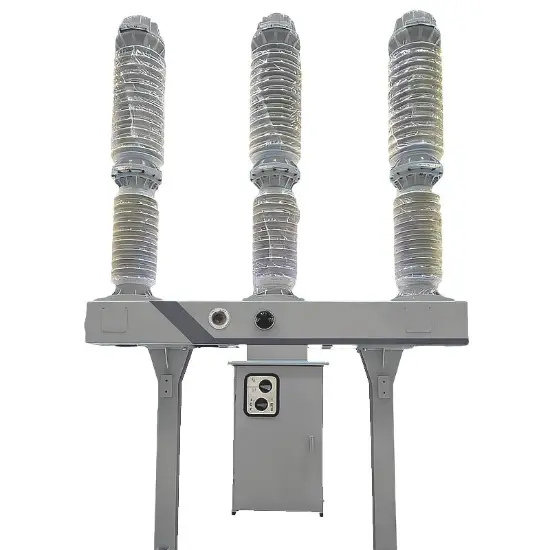
interruptor de vacío para HV de 126(145)kV
-
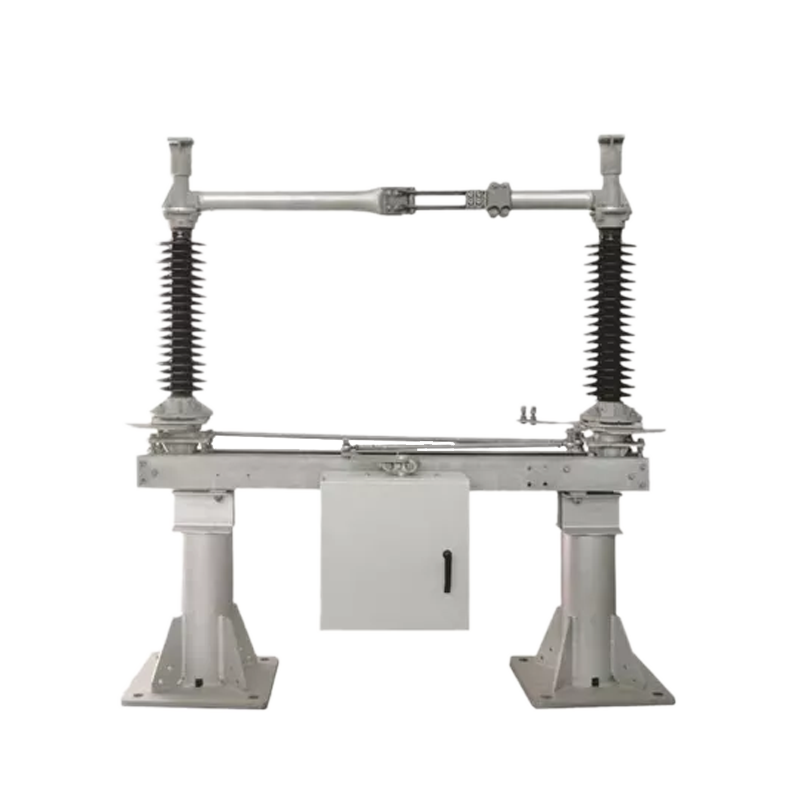
Serie SDF de seccionador de corte central horizontal
-
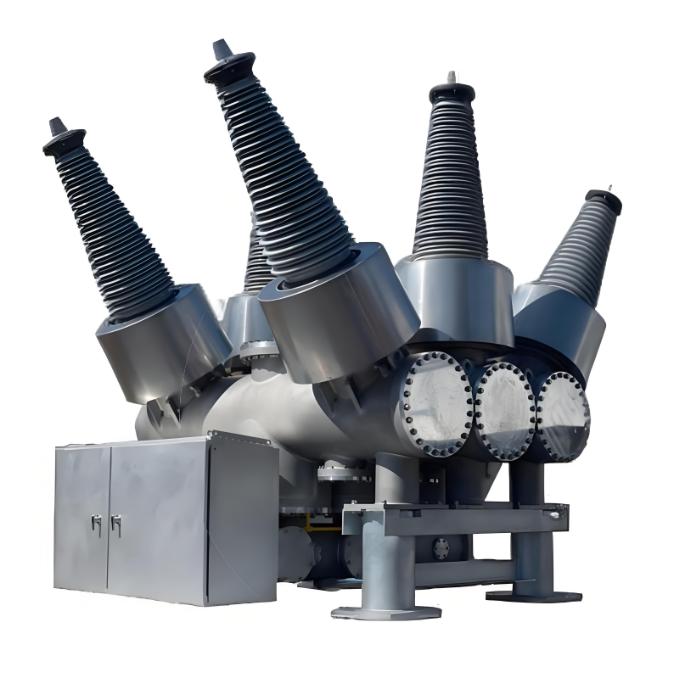
Interruptor de vacío de tanque muerto aislado con aire seco de 145kV
-
Personalización de Interruptor de Circuito al Vacío de Tanque VIVO 145kV/138kV/230kV u Otro
-
Personalización de Interruptor de Vacío de Tanque Muerto 145kV/138kV/230kV u Otro
-
Interruptor de circuito de vacío para subestación de media tensión