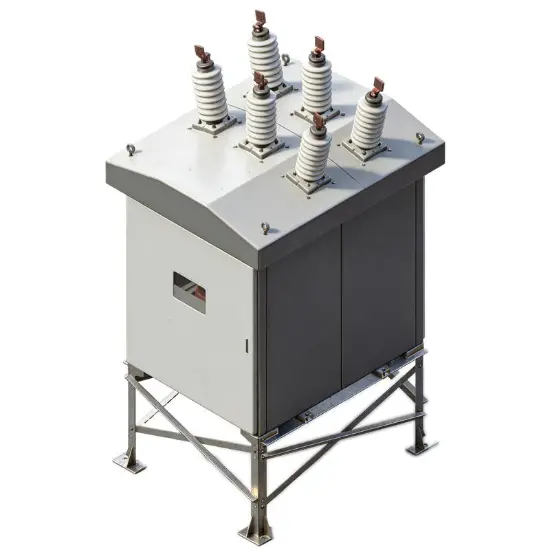
Interruttore a Vuoto (VCB) a Carcassa per 120kV 168kV 204 kV
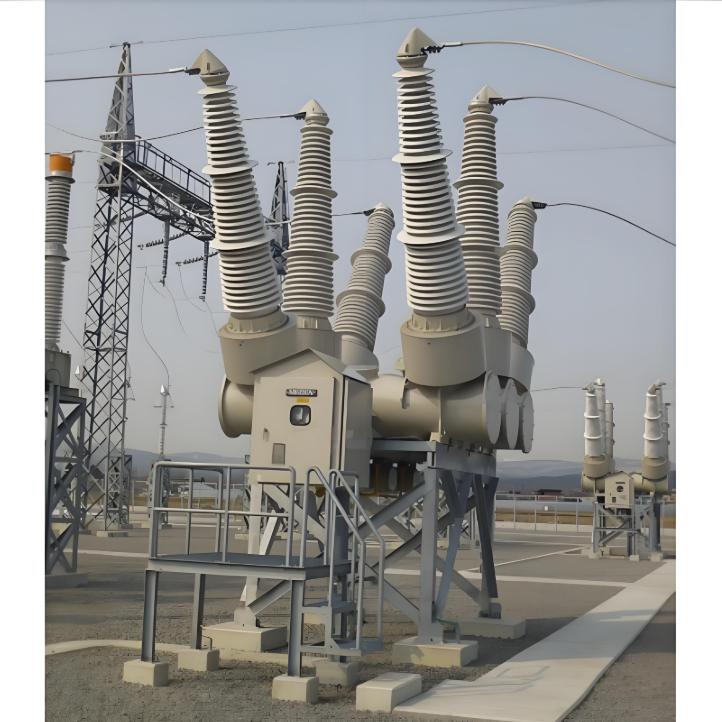
| Marca | ROCKWILL |
| Numero modello | 120kV 168kV 204 kV Tank Type Vacuum Circuit Breaker(VCB) |
| tensione nominale | 204kV |
| corrente nominale | 2000A |
| frequenza nominale | 50/60Hz |
| Serie | VBO |
Descrizione
I circuiti interruttori a vuoto (VCB) da 120kV, 168kV e 204kV di tipo tanica sono soluzioni di commutazione ad alta tensione progettate per un'ottima prestazione nelle reti di trasmissione e distribuzione di energia elettrica a media tensione. Progettati con una struttura sigillata di tipo tanica per racchiudere i componenti principali, questi VCB utilizzano interruttori a vuoto per un'affidabile estinzione dell'arco, assicurando un'interruzione sicura ed efficiente della corrente in sistemi a media-alta tensione.
Ideali per sottostazioni di utilità, reti elettriche industriali e progetti di integrazione di energie rinnovabili (come parchi eolici e solari), questi interruttori coprono un ampio intervallo di tensioni per soddisfare le diverse esigenze della rete. Il design a tanica migliora la stabilità dell'isolamento e la resistenza ambientale, mentre la tecnologia a vuoto elimina la necessità di gas serra come l'SF₆, allineandosi con le iniziative globali a basso contenuto di carbonio. Sia che vengano impiegati in ambienti esterni difficili o in sottostazioni interne compatte, offrono un funzionamento costante, una lunga durata di servizio e costi ciclo di vita ridotti, rendendoli una scelta sostenibile per l'infrastruttura elettrica moderna.
Caratteristiche del prodotto
Interruttore ecologico con ottima performance antisismica. Grazie all'utilizzo di un interruttore a vuoto (VI) nella parte di interruzione, presenta un'ottima capacità di interruzione e non c'è decomposizione di gas durante l'interruzione della corrente. Un trasformatore di corrente a guaina (BCT) può essere integrato nella tanica. Questo riduce lo spazio occupato. Non richiede l'ispezione della parte di interruzione aprendola. Permette di risparmiare sui costi di manutenzione. Inoltre, riduce la quantità di gas SF6 necessaria a circa 1/3 rispetto a quella di un interruttore a gas (GCB).
Ottima capacità di interruzione attraverso l'isolamento a vuoto della parte di interruzione
Spazio occupato ridotto grazie all'adozione di un BCT integrato
Permette di risparmiare sui costi di manutenzione poiché non richiede l'ispezione della parte di interruzione aprendola
Permette di ridurre i costi ciclo di vita (LCC) di circa il 40% rispetto a quelli di un GCB
Ottima performance antisismica grazie al baricentro basso
Tipo ecologico. Riduce la quantità di gas SF6 rispetto a un GCB
Specifiche tecniche
Tensione nominale (kV) |
120kV |
168kV |
204kV |
|||
Corrente nominale (A) |
1200 |
2000 |
1200 |
2000 |
1200 |
2000 |
Corrente di interruzione nominale (kA) |
31.5 |
31.5 |
40 |
31.5 |
40 |
|
Tempo di apertura nominale (s) |
0.06 (5 cicli) |
0.037 |
||||
Tempo di interruzione nominale (cicli) |
5/3 |
3 |
||||
Ciclo operativo |
A (O - 1 min - CO - 3 min - CO), B (CO - 15 sec - CO), R (O - 0.35 sec - CO - 1 min - CO) |
|||||
Tempo di chiusura (s) |
0.13 |
|||||
Tensione operativa nominale di chiusura (V) |
DC100 |
|||||
Tensione nominale del motore (V) |
DC100 |
|||||
Mezzo di isolamento |
Gas SF6 |
|||||
Pressione nominale del gas (MPa-g) |
0.15 (20℃) |
|||||
Sistema di funzionamento |
Molla caricata elettricamente |
|||||
Standard applicabili |
JEC-2300 (1998) |
|||||
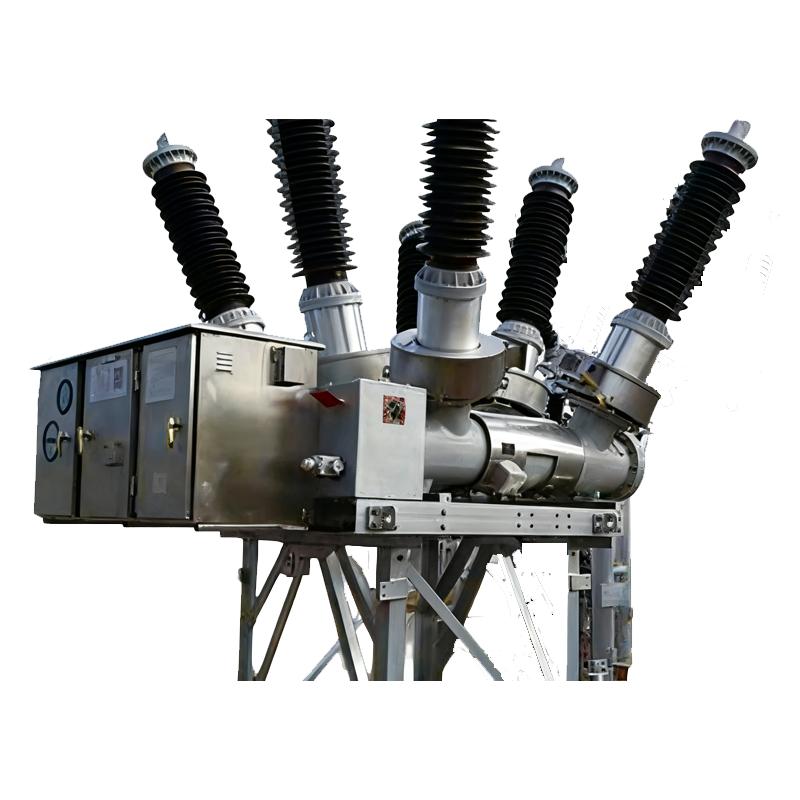
Il tasso di perdita del gas SF₆ deve essere controllato ad un livello estremamente basso, tipicamente non superiore allo 1% all'anno. Il gas SF₆ è un potente gas serra, con un effetto serra 23.900 volte superiore a quello del biossido di carbonio. In caso di perdita, può non solo causare inquinamento ambientale, ma anche portare a una diminuzione della pressione del gas all'interno della camera di spegnimento dell'arco, influendo sulle prestazioni e sulla affidabilità dell'interruttore.
Per monitorare le perdite di gas SF₆, sono tipicamente installati dispositivi di rilevamento delle perdite di gas sugli interruttori a serbatoio. Questi dispositivi aiutano a identificare prontamente eventuali perdite, in modo da poter adottare le misure appropriate per risolvere il problema.
Struttura Integrata del Serbatoio:
-
Struttura Integrata del Serbatoio: La camera di spegnimento dell'arco, il mezzo isolante e i componenti correlati sono sigillati all'interno di un serbatoio metallico riempito con un gas isolante (come l'esaoxifluoruro di zolfo) o con olio isolante. Questo forma uno spazio relativamente indipendente e sigillato, prevenendo efficacemente la contaminazione da fattori ambientali esterni sui componenti interni. Questa progettazione migliora le prestazioni isolanti e la affidabilità dell'equipaggiamento, rendendolo adatto a vari ambienti esterni difficili.
Disposizione della Camera di Spegnimento dell'Arco:
-
Disposizione della Camera di Spegnimento dell'Arco: La camera di spegnimento dell'arco è tipicamente installata all'interno del serbatoio. La sua struttura è progettata per essere compatta, permettendo un efficiente spegnimento dell'arco in uno spazio limitato. A seconda dei diversi principi e tecnologie di spegnimento dell'arco, la costruzione specifica della camera di spegnimento dell'arco può variare, ma generalmente include componenti chiave come contatti, ugelli e materiali isolanti. Questi componenti lavorano insieme per assicurare che l'arco venga rapidamente e efficacemente spento quando l'interruttore interrompe la corrente.
Mechanismo Operativo:
-
Mechanismo Operativo: I meccanismi operativi comuni includono meccanismi a molla e meccanismi idraulici.
-
Mechanismo a Molla: Questo tipo di meccanismo ha una struttura semplice, è altamente affidabile e facile da mantenere. Esso guida le operazioni di apertura e chiusura dell'interruttore attraverso lo stoccaggio e il rilascio di energia delle molle.
-
Mechanismo Idraulico: Questo meccanismo offre vantaggi come alta potenza di uscita e funzionamento fluido, rendendolo adatto per interruttori di classe alta tensione e alta corrente.
Prodotti correlati
-
Interruttore a vuoto ad alta tensione 72.5kV
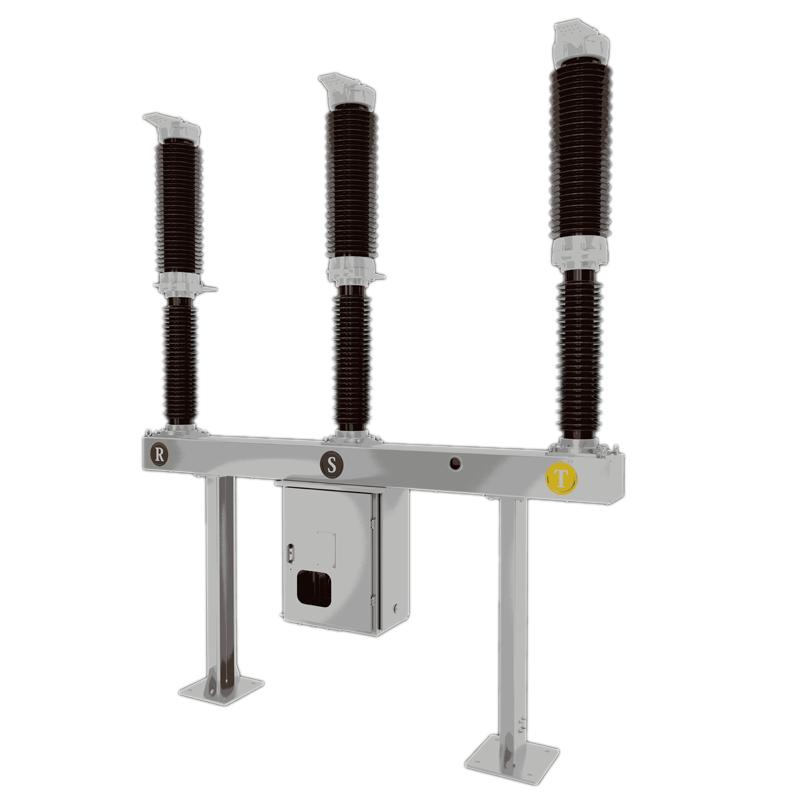
-
40.5kV 72.5kV 145kV 170kV 245kV Dispositivo di interruzione a campana morta e vuoto

-
52kV 72.5kV 123kV 145kV 170kV 252kV 363kV Interruttore a vuoto con serbatoio vivente

-
126(145)kV interruttore a vuoto ad alta tensione
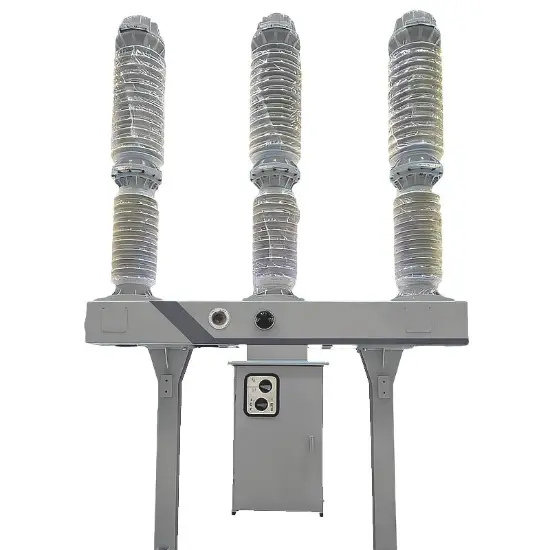
-
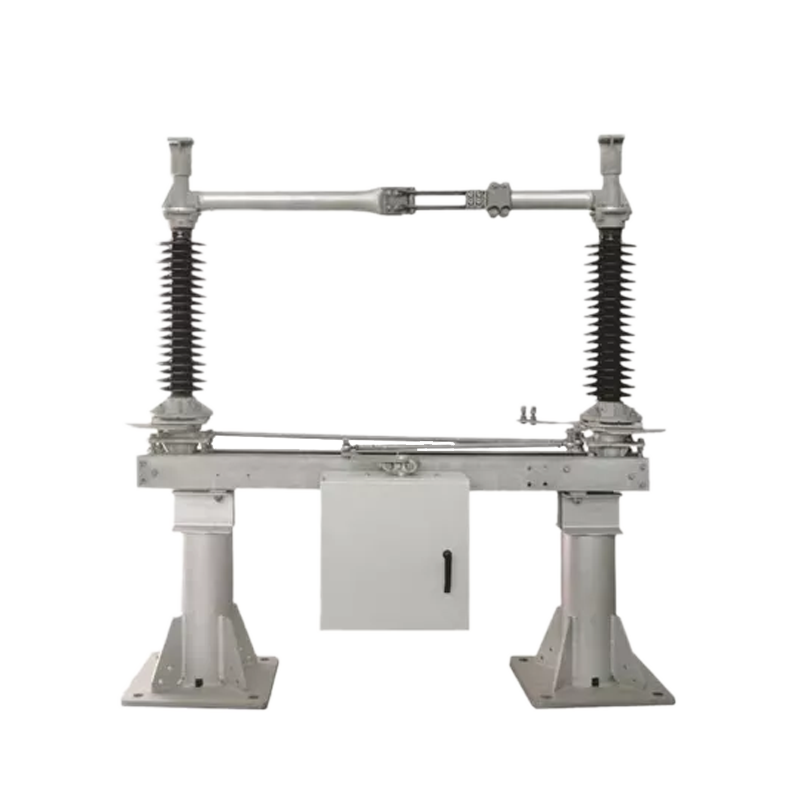
Serie SDF interruttore sezionale orizzontale
-
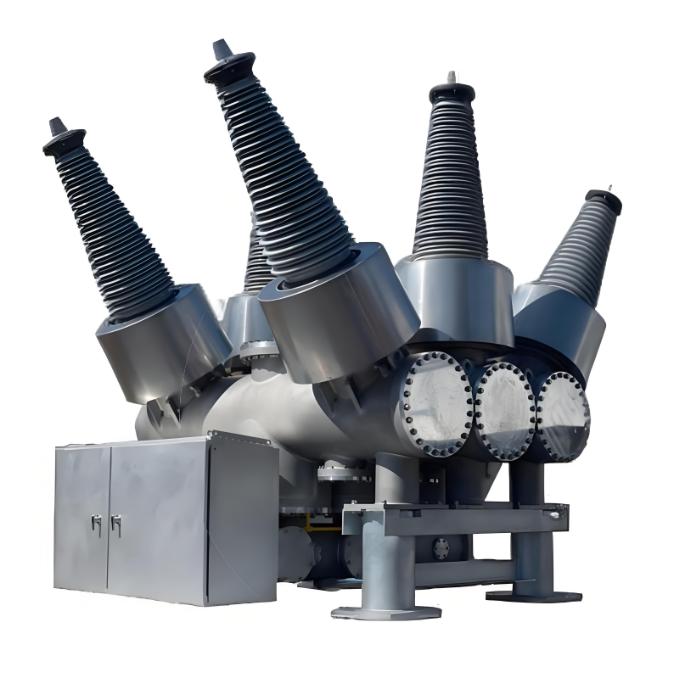
Interruttore a vuoto per cavo morto isolato ad aria secca da 145kV
-
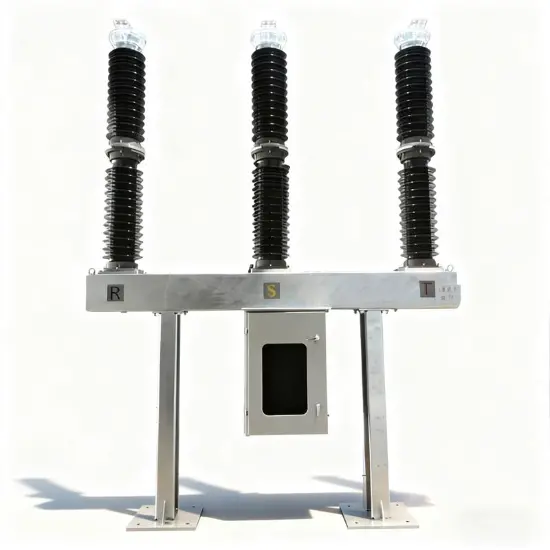
Personalizzazione 145kV/138kV/230kV o altro interruttore a vuoto per serbatoio vivente
-
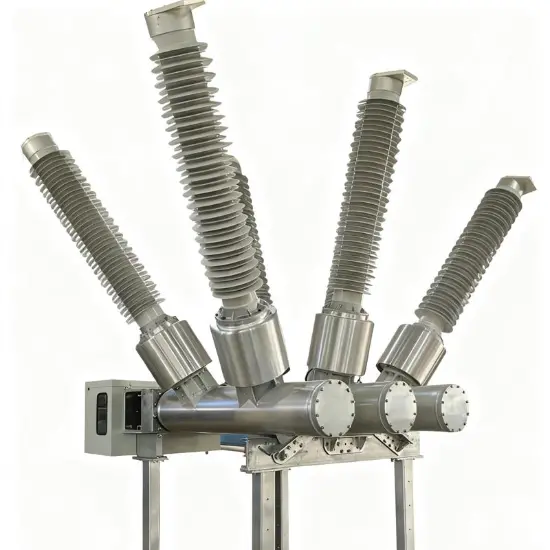
Personalizzazione 145kV/138kV/230kV o altro interruttore a vuoto per serbatoio morto
-
MV interruttori a vuoto per esterno per sottostazione