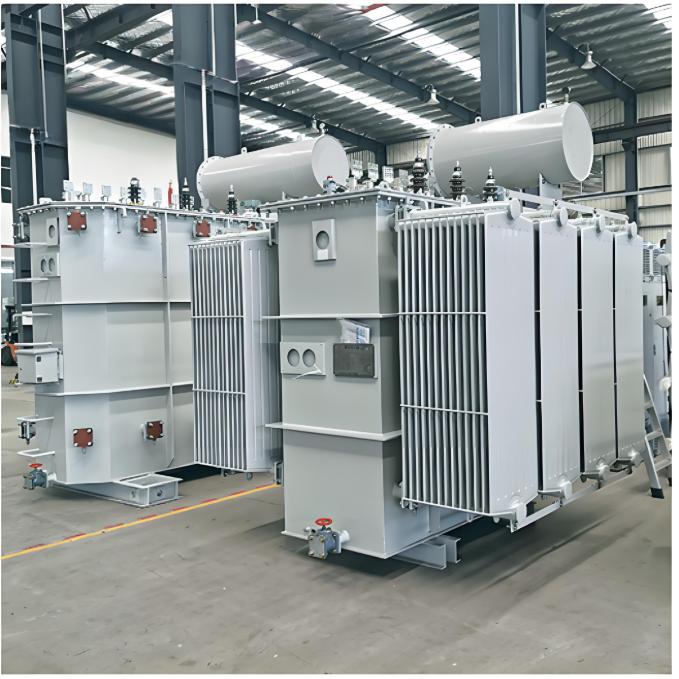
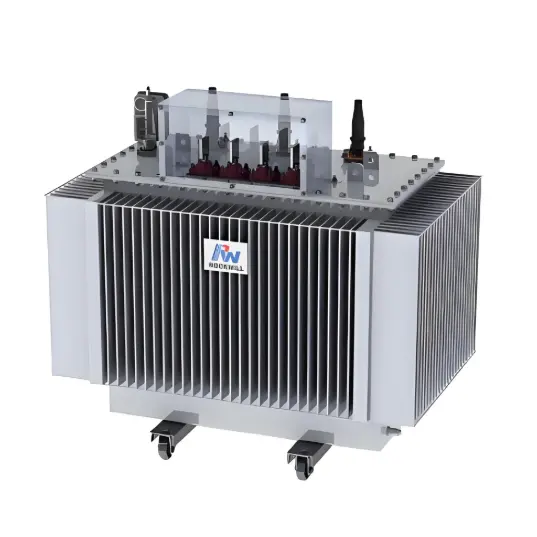
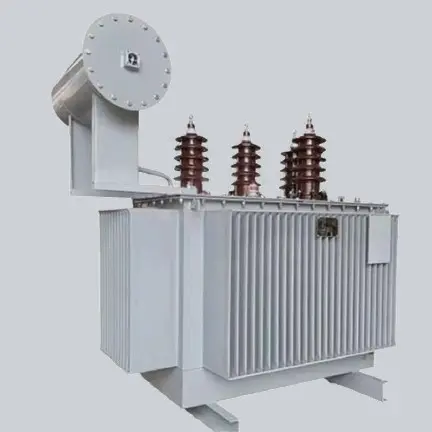
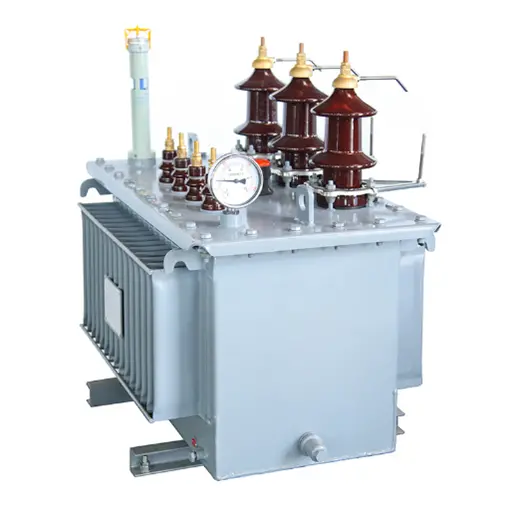
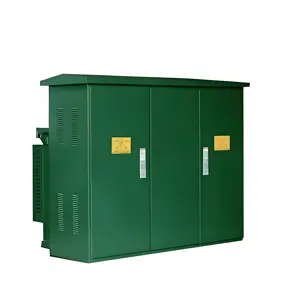
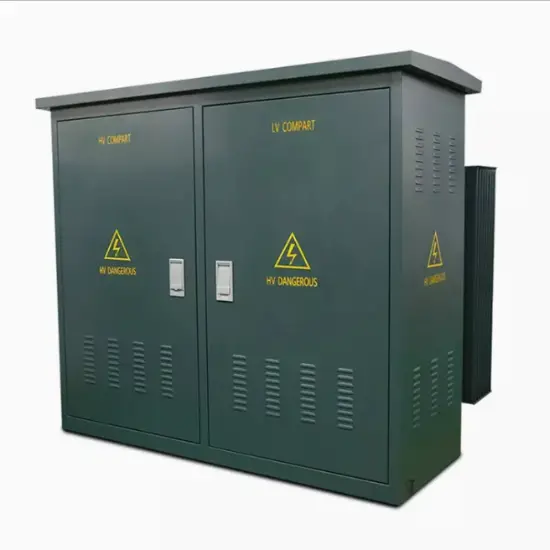
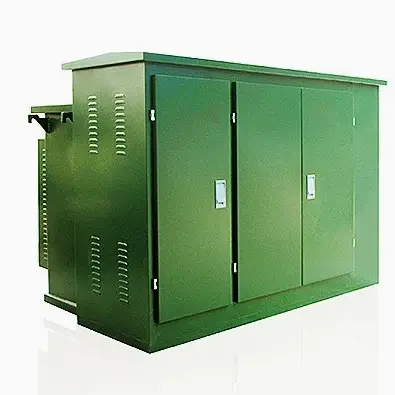
Power frequency furnace transformer
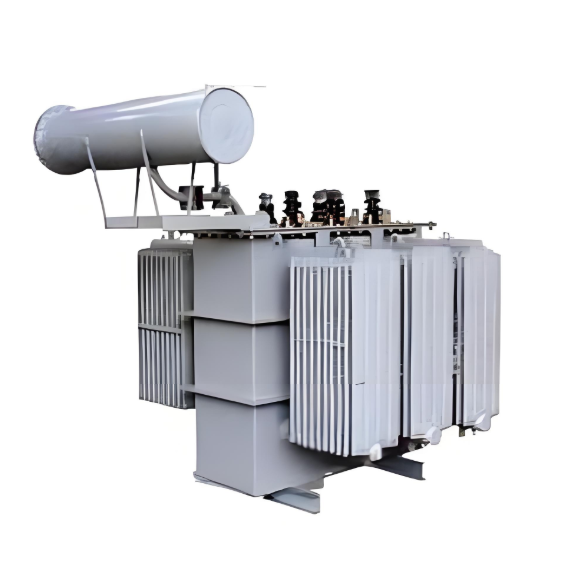
Key attributes
| Brand | ROCKWILL |
| Model NO. | Power frequency furnace transformer |
| Rated frequency | 50/60Hz |
| Series | HGSP |
Product descriptions from the supplier
Description
Overview
Power frequency induction furnaces use power frequency power directly and melt metals based on the principle of electromagnetic induction. They are widely used for melting ferrous and non-ferrous metals, as well as various high-grade cast iron, malleable cast iron, ductile iron, etc.
Structural Features
The load power supply of power frequency furnace transformers is stable, and there is generally no requirement for overload capacity. To improve efficiency, they have low impedance voltage and a hard external characteristic. Their structural design features are similar to those of power transformers with the same capacity, with differences only in voltage regulation methods and voltage regulation ranges.
Feature
Related Products
-
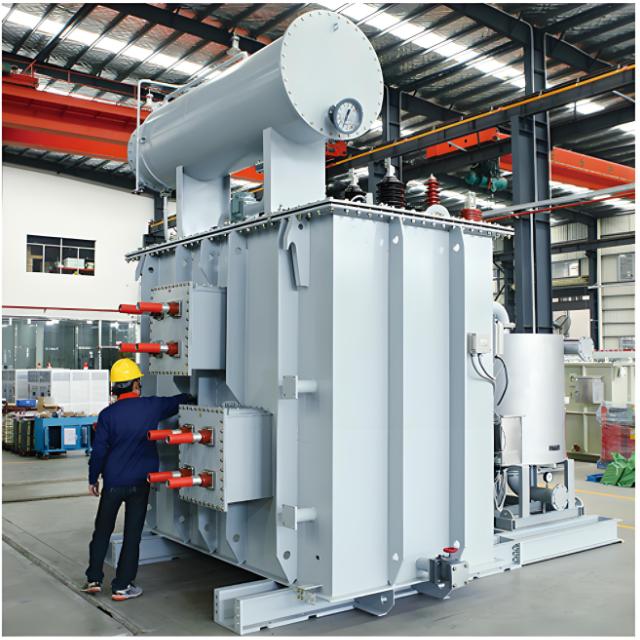
Customization 10kV 17.5kV 30kV 35kV Three phase Oil-Immersed Electric Furnace Transformers
-
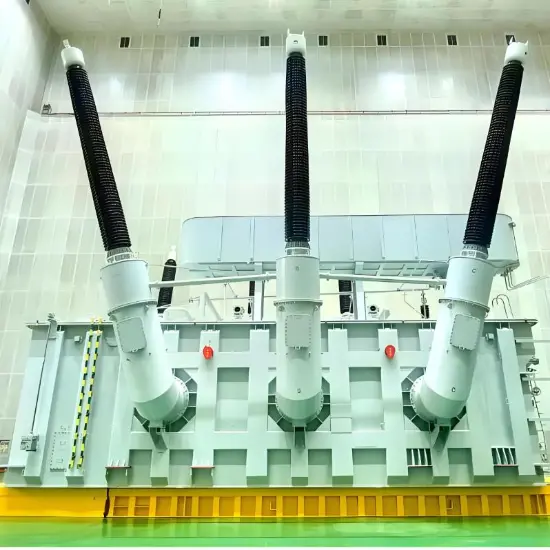
800kV 1000kV Single-phase Autotransformer with Three Windings and No Excitation manufacturer
-
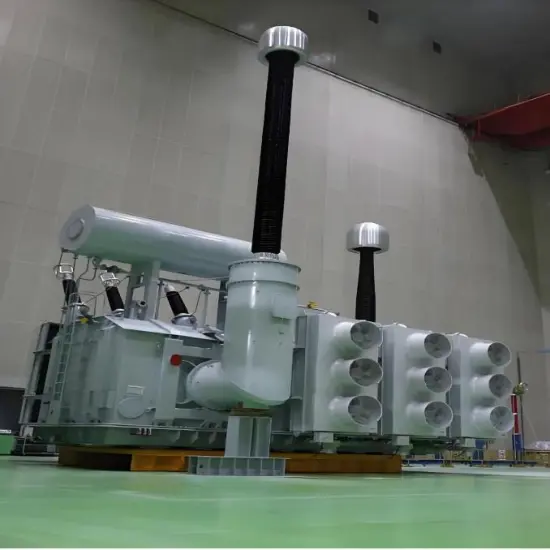
735kV 750kV 765kV Single-phase Oil-Immersed Autotransformer with Three Windings and No Excitation
-
500kV 550kV Single-phase Oil-Immersed Air-Cooled Autotransformer with Three Windings and No Excitation
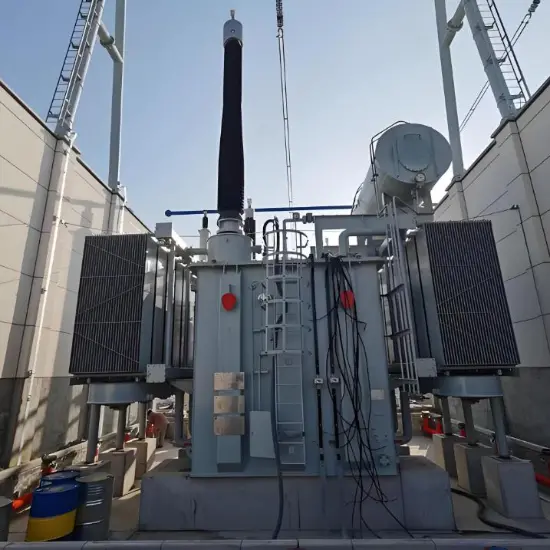
-
245kV 275kV 400kV 330kV Three-Phase Three-Winding On-Load Tap-Changing Autotransformer
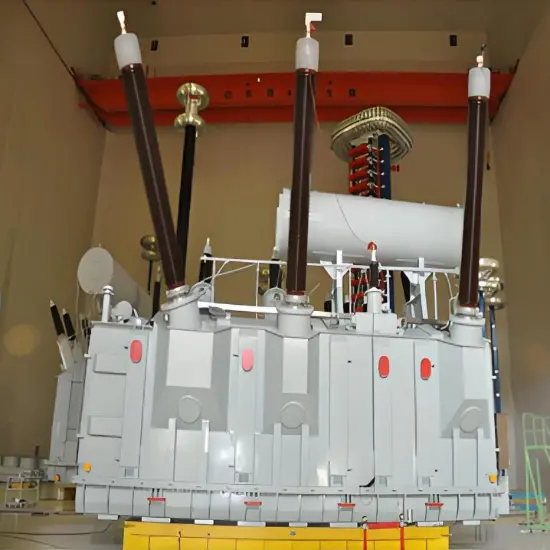
-
Customization 363kV 345kV 400kV 550kV Class High Voltage oil-immersed Power transformer

-
230kV 245kV 275kV 330kV Class Core-type oil-immersed power transformer Original Manufacturer
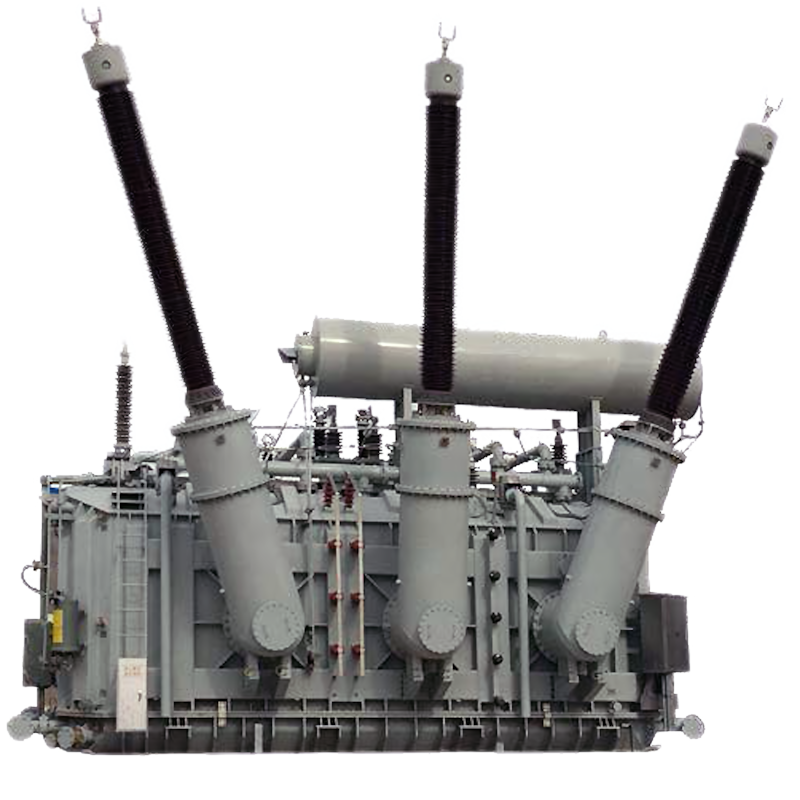
-
Customization 220kV 225kV 230kV 245kV Class oil-immersed three-phase Power transformer

-
110kV 123kV 132kV 145kV Class Core-type oil-immersed High Voltage power transformer
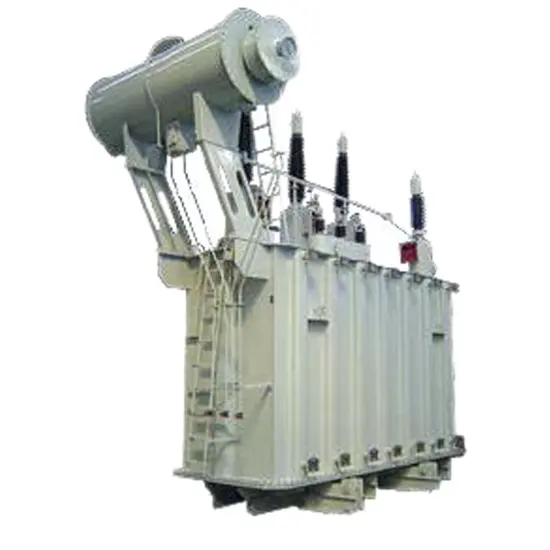
-
160kVA-10000kVA Three-phase Oil-immersed Rectifier Transformer