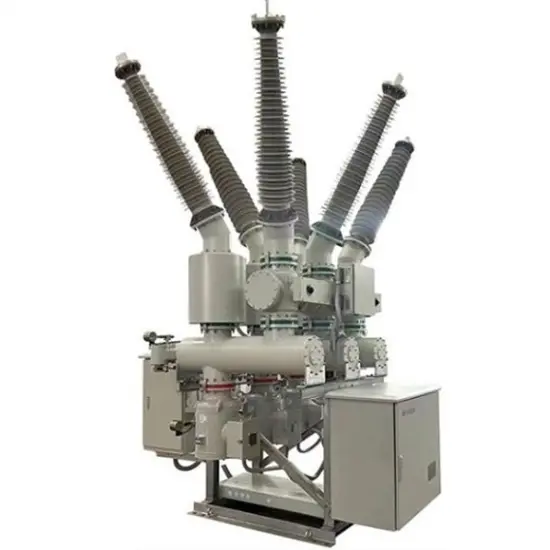
Extreme Cold Adaptation Solution for High-Voltage Tank Circuit Breakers: Triple Protection for Stable Operation at -35°C
I. Pain Points: Low-Temperature Failure Mechanisms & Case Studies
High-voltage tank circuit breakers often encounter adaptability issues when operating in low-temperature regions (-20°C and below). The core pain points include:
-
Gas Liquefaction: SF6 gas liquefies at low temperatures, causing internal pressure to drop, which reduces insulation and arc-extinguishing performance.
-
Mechanical Stagnation: Solidification of lubricating oil in the operating mechanism and shrinkage of seals lead to equipment jamming and abnormal opening/closing operations.
-
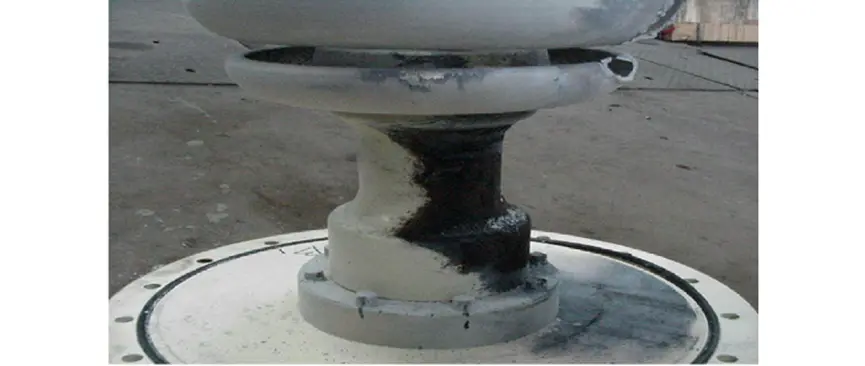
Material Brittleness: Insufficient low-temperature toughness in tank materials can cause cracking and equipment failure, particularly in frigid northern regions and high-altitude areas.
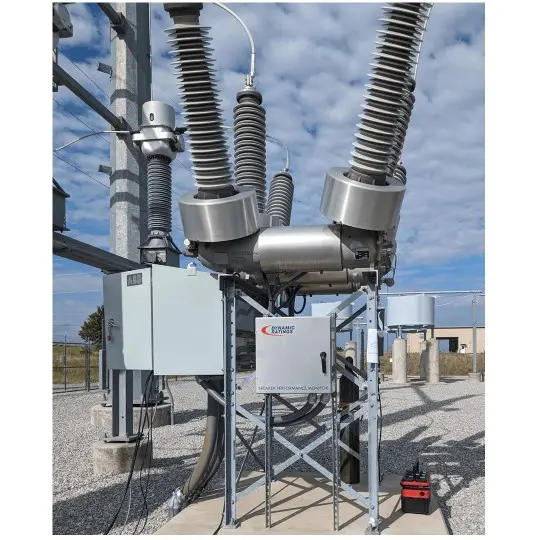
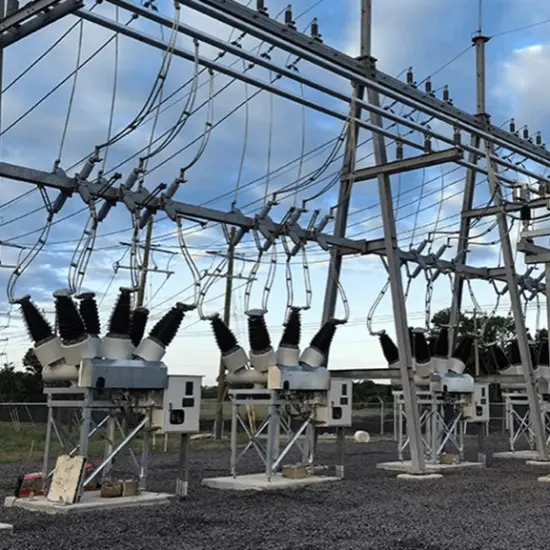
Typical Example: A substation in a high-altitude northern region deployed 12 units of 138kV tank circuit breakers, where extreme winter temperatures reach -30°C. Historically, several units suffered from SF6 liquefaction, causing internal pressure to drop below safety thresholds and leading to mechanical jamming. In the winter of 2023, one breaker experienced slight cracking due to poor material toughness, resulting in an SF6 leak. The subsequent 60-hour emergency repair caused direct losses exceeding 600,000 RMB and severely impacted winter power supply reliability.
II. Triple Protection: Synergistic Resistance via Gas, Structure, and Monitoring
Focusing on low-temperature adaptability, operational reliability, and structural protection, this solution ensures stable equipment operation within a temperature range of -35°C to +45°C:
-
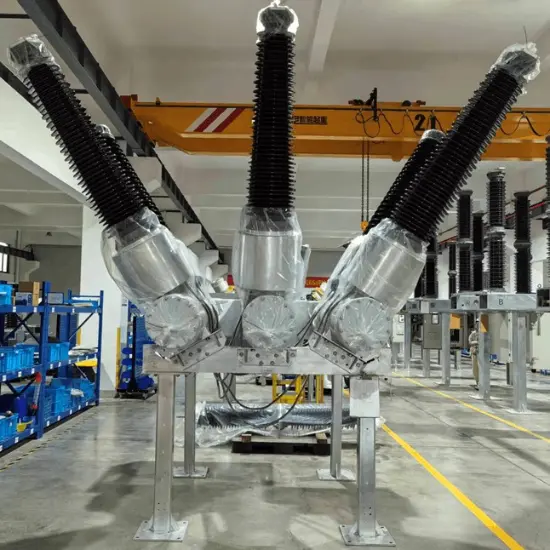
Optimization for Low-Temperature Adaptability: Uses an SF6/N2 gas mixture (SF6 content 50%–60%) to lower the liquefaction temperature to below -40°C. The operating mechanism utilizes specialized low-temperature lubricants to prevent solidification and ensure flexible operation.
-
Structural and Material Upgrades: The tank is constructed from high-strength steel with excellent low-temperature toughness to prevent cracking. Seals are made of low-temperature resistant fluororubber to prevent shrinkage-induced failure. Externally, the tank is fitted with thermal insulation layers and electric heat tracing, which activates automatically at low temperatures.
-
Low-Temperature State Monitoring: High-precision temperature and pressure sensors monitor real-time conditions. When temperatures drop below -20°C, the electric heat tracing system starts automatically. The platform's built-in early warning algorithms predict operational risks, prompting O&M personnel to take preemptive measures.
III. Proven Results: Zero Failures in Extreme Cold & Improved Efficiency
Following the implementation of this solution (gas mixture replacement, insulation/heating installation, and component upgrades), the aforementioned high-altitude substation has completed two winter cycles. Despite extreme temperatures of -30°C, all 12 breakers operated stably with no SF6 liquefaction, mechanical jamming, or tank cracking. The heat tracing maintained internal tank temperatures above -10°C, reducing the winter failure rate to zero and saving over 800,000 RMB in potential power outage losses annually.
IV. Implementation Outcomes
-
Operational Stability: Stable operation at -35°C with no SF6 liquefaction and consistent internal pressure.
-
Mechanical Reliability: Flexible operating mechanism with zero stagnation or abnormal switching.
-
Structural Integrity: Elimination of risks related to low-temperature cracking and seal failure, improving winter reliability by over 90%.
-
Supply Security: Completely resolves low-temperature adaptability issues, safeguarding power supply in friged regions.
Success Case Details:Breaking the "Extreme Cold" Barrier: All-Lifecycle Anti-Freezing Solution for 138kV Dead Tank Circuit Breakers Ensures Zero-Fault Operation in -30℃ Grids-Rockwill