Low-Temperature Adaptation Solution for High-Voltage Breakers: Five-Stage Protection for -35°C Reliability
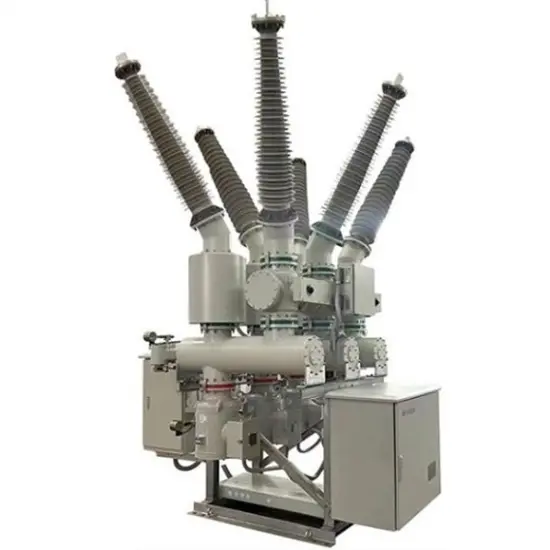
High-voltage tank circuit breakers (primarily 126kV and above) operating in severely cold or high-altitude environments (-20°C and below) are susceptible to adaptation issues throughout their entire lifecycle (design/selection, manufacturing, installation/commissioning, operation/maintenance, and decommissioning). These issues—including poor compatibility, frequent failures, and high O&M costs—pose severe threats to the stability of the power grid. This solution adopts a full-lifecycle perspective to address core low-temperature pain points. By implementing targeted measures across every stage—from selection to decommissioning—we ensure long-term stability and minimize total cost of ownership.
I. Pain Point Analysis: Full-Lifecycle Risks & Evidence
The challenges faced by tank circuit breakers in cold regions span the entire lifecycle. Key pain points include:
-
Design & Selection: Lack of consideration for low-temperature needs; use of standard materials and pure SF6 gas without thermal protection, leading to inherent incompatibility.
-
Manufacturing: Inadequate low-temperature processing, poor precision in sealing/welding, and loose quality control on cold-resistant components (lubricants, steel) leave latent defects.
-
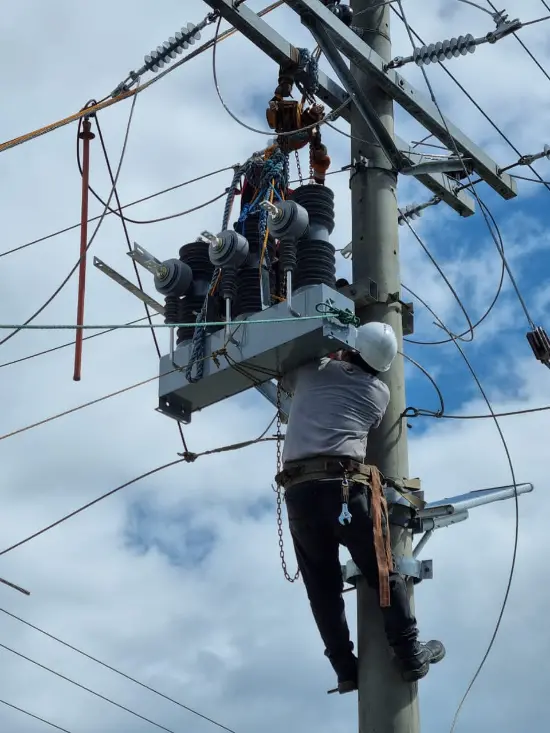
Installation & Commissioning: Non-standard installation in cold environments (e.g., poor surface cleaning, insufficient bolt torque) and failure to simulate low-temperature conditions during commissioning lead to immediate operational failures.
-
Operation & Maintenance: SF6 liquefaction, lubricant solidification, seal shrinkage, and tank cracking. A lack of targeted monitoring makes hidden faults difficult to detect, driving up O&M costs.
-
Decommissioning: Difficult disassembly in extreme cold, incomplete recovery of SF6 mixtures causing environmental pollution, and safety risks associated with disposing of aged materials.
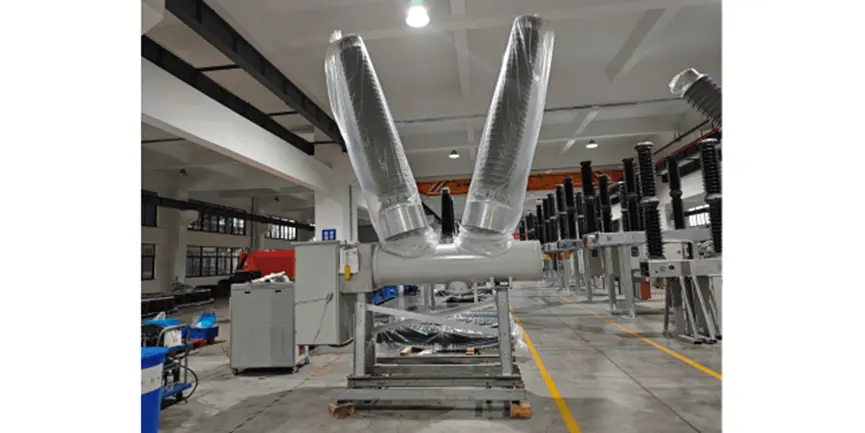
II. Five-Stage Synergistic Solution: Comprehensive Cold Resistance
We propose an integrated "Inherent Adaptation, Process Control, Maintenance Guarantee, and Standardized Disposal" approach to ensure stable operation between -35°C and +45°C.
1. Design & Selection: Proactive Adaptation
-
Media: Replace pure SF6 with an SF6/N2 mixture (50%–60% SF6 content) to lower the liquefaction temperature to below -40°C.
-
Materials: Use high-strength weather-resistant steel (impact toughness ≥27J at -40°C) and low-temperature fluororubber seals (-40°C to +120°C).
-
Structure: External insulation layers and automatic electric heat tracing (activating below -20°C) to maintain internal temperatures.
2. Manufacturing: Quality Control
-
Material Testing: Rigorous low-temperature impact and sealing tests on all core components.
-
Craftsmanship: Use low-temperature welding techniques with post-weld aging treatments.
-
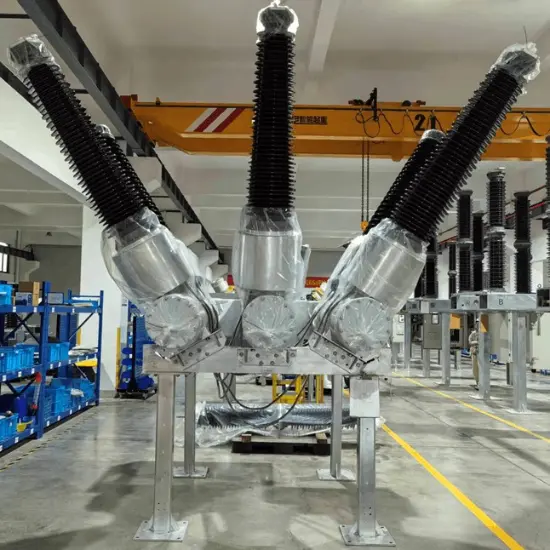
Factory Testing: Simulate -35°C extreme conditions for switching, leakage, and insulation tests before dispatch.
3. Installation & Commissioning: Standardized Implementation
-
Environment: Conduct installation at temperatures ≥-15°C with temporary heating shelters.
-
Standardization: Use specialized low-temperature sealants and torque-controlled fastening to mitigate thermal expansion/contraction risks.
-
Debugging: Simulate -30°C conditions to verify operation before grid connection.
4. Operation & Maintenance: Precision Control
-
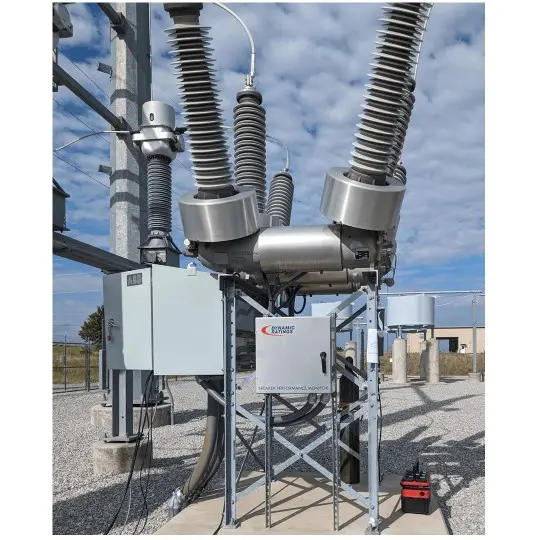
Monitoring: Real-time cloud-based monitoring of temperature and pressure; automated alerts for potential liquefaction or mechanical anomalies.
-
Routine Maintenance: Quarterly inspections of insulation/heating systems; pre-winter lubricant replacement and gas purity testing.
-
Fault Response: Dedicated low-temperature toolkits and standardized, rapid repair protocols.
5. Decommissioning: Environmental & Safety Compliance
-
Gas Recovery: Use automated recovery equipment to ensure 98%+ recovery of SF6 mixtures.
-
Safe Dismantling: Preheat tanks to prevent cracking during disassembly.
-
Waste Disposal: Standardized classification and recycling of aged materials to comply with environmental regulations.
III. Proven Results: Reliability & Economic Efficiency
-
Operational Stability: Stable operation at -35°C; no SF6 liquefaction or mechanical jamming.
-
Failure Reduction: Full-lifecycle failure rates reduced by >95%; winter operational reliability increased by >90%.
-
Economic Benefit: O&M costs reduced by >60%; equipment service life extended from 15 to 25 years.
-
Case Validation: In a high-altitude substation where temperatures hit -30°C, this solution achieved a zero-failure rate during winter, saving over 800,000 RMB annually in outage-related losses.
IV. Implementation Support
-
Technical Support: Full-flow expert guidance from selection to decommissioning.
-
Quality Management: End-to-end quality oversight with mandatory low-temperature performance audits.
-
Professional Training: Comprehensive training for O&M staff on cold-weather protocols.
-
Logistical Reserves: Regional spare-part depots stocked with cold-resistant seals, specialized lubricants, and gas mixtures.
V. Conclusion
Stable operation of high-voltage circuit breakers in cold regions requires a holistic, synergistic approach across the entire lifecycle. By integrating design, production, installation, O&M, and disposal, this solution effectively mitigates extreme-temperature risks, slashes costs, and reinforces the resilience of the power grid in cold climates.
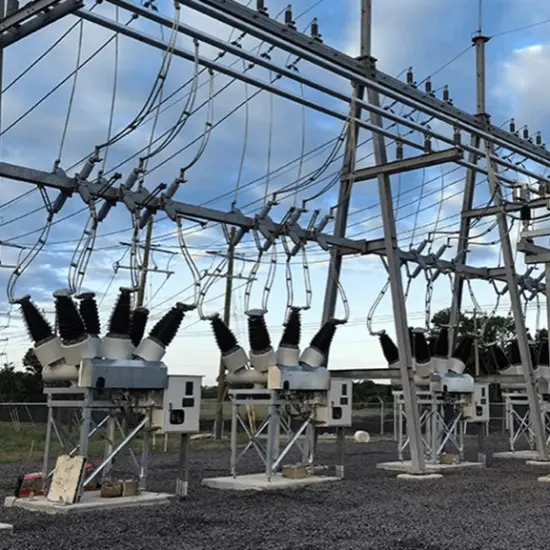
Success Case Details:Full-Lifecycle Low-Temperature Governance for 18 Units of 115kV Dead Tank Circuit Breakers: Five-Ring Synergy Ensures Zero-Fault Operation in -30℃ Alpine Regions-Rockwill