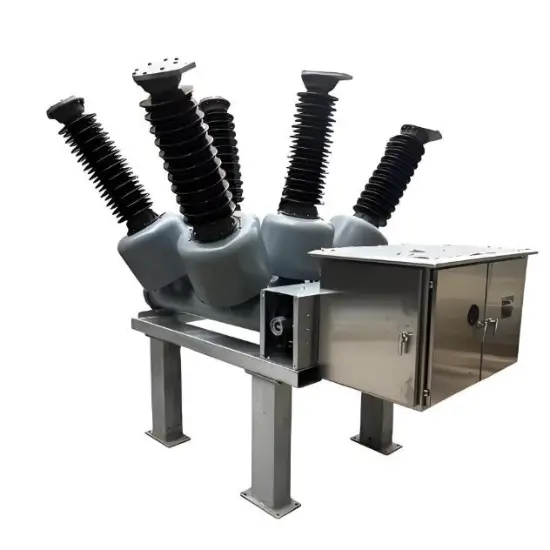
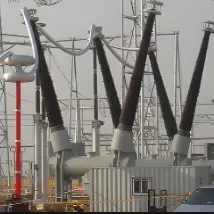
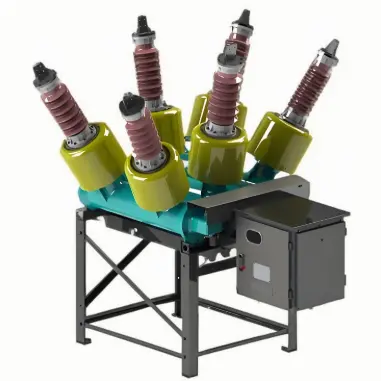
Interruptor de circuito de vacío aislado con aire seco para tanque muerto 36kV 72.5kV
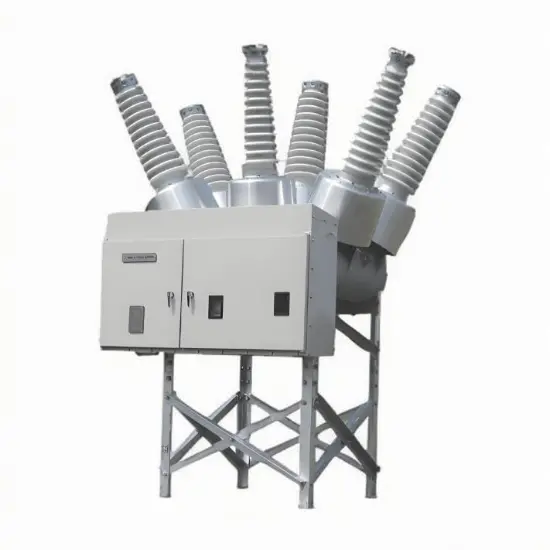
| Marca | ROCKWILL |
| Número de modelo | 36kV 72.5kV Dry Air Insulated Dead Tank Vacuum Circuit Breaker(VCB) |
| voltaje nominal | 72.5kV |
| corriente nominal | 2000A |
| frecuencia nominal | 50/60Hz |
| Serie | NVBOA |
Descripción
El interruptor de corte de tanque muerto con aislamiento de aire seco nació de la excelente tecnología y la abundante experiencia de producción de Meidensha Corporation. Es un interruptor de corte que emplea interrumpidores al vacío y aire seco para el aislamiento. Al no utilizar SF6, que es un gas que contribuye al calentamiento global, no hay temor a la descomposición del gas debido a la interrupción de corriente. Por lo tanto, es un interruptor de corte altamente confiable y de alto rendimiento.
Características
Interruptor de corte de tanque muerto optimizado para la adquisición verde. Utiliza aire seco para el aislamiento en lugar del SF6, que se especifica como un gas de efecto invernadero. Nuestro concepto de diseño básico es realizar los factores ambientales en el diseño (Las 3Rs (Reducir, Reutilizar y Reciclar) + LS (Larga duración & Separable)) y la reducción del costo total de ciclo de vida (LCC) como conceptos básicos.
Contribución a la prevención del calentamiento global
Se utiliza aislamiento de aire seco en lugar del aislamiento con gas SF6. El PGE (Potencial de Calentamiento Global) del SF6 es de 23,900.
Excelente rendimiento de interrupción
Dado que cada sección de interrupción de corriente emplea un interrumpidor al vacío, las características de recuperación del aislamiento son excelentes. Muestra características sobresalientes en casos de interrupción de cortocircuitos e interrupción de fallas en líneas cortas.
Capacidad suficiente contra múltiples golpes y fallas evolutivas
Dado que los interrumpidores al vacío utilizados son completamente de tipo autodifusión del arco, este interruptor de corte es la única unidad capaz de manejar múltiples golpes y corrientes de fallas evolutivas.
Reducción del trabajo de mantenimiento
El uso de interrumpidores al vacío en las secciones de interrupción de corriente elimina la necesidad de inspeccionar estas secciones. Por lo tanto, se pueden ahorrar horas-hombre en el mantenimiento y la inspección.
Tipo y Clasificaciones
Especificaciones
Tensión nominal (kV) |
36 |
72.5 |
|
Tensión de resistencia |
1 min a frecuencia de potencia (kV eficaz) |
70 |
140 |
Impulso 1.2x50μs (kV pico) |
200 |
350 |
|
Frecuencia nominal (Hz) |
50/60 |
||
Corriente nominal (A) |
2000 |
2000/3150 |
|
Corriente nominal de cortocircuito del interruptor (kA) |
31.5 |
40 |
|
Tensión de recuperación transitoria nominal |
Tasa de subida (kV/μs) |
1.19 |
1.47 |
Factor del primer polo a despejar |
1.5 |
||
Corriente nominal de cierre en cortocircuito (kA) |
82 |
104 |
|
Corriente nominal a corto plazo (kA) |
31.5 (3s) |
40 (3s) |
|
Tiempo de interrupción nominal (ciclo) |
3 |
||
Tiempo de apertura nominal (s) |
0.033 |
0.03 |
|
Tiempo de cierre sin carga (s) |
0.05 |
0.10 |
|
Ciclo de operación |
O-0.3s-CO-15s-CO |
||
Voltaje de control de cierre (Vcc) |
48, 100, 110, 125, 250 |
||
Voltaje nominal de disparo (Vcc) |
48, 100, 110, 125, 250 |
||
Voltaje de alimentación para motor de carga |
(Vcc) |
48, 100, 110, 125, 250 |
|
(Vac) |
60, 120, 240 |
||
Presión nominal de aire seco |
0.5MPa-g (a 20℃) |
||
Sistema de operación de cierre |
Resorte |
||
Sistema de control de disparo |
Resorte |
||
Norma aplicable |
IEC 62271-100-2008, ANSI/IEEE C37.06-2009 |
||
Construcción
Construcción general
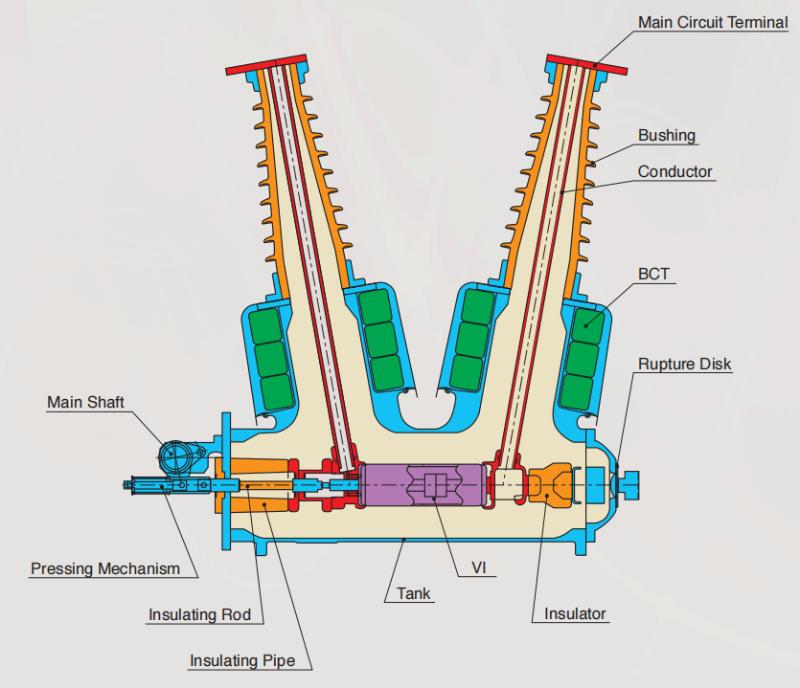
Para cada fase, se acomoda un interructor de vacío para el corte de corriente en el tanque a tierra. El sistema de operación está diseñado de tal manera que el cierre y el disparo se realizan mediante fuerza de resorte. El mecanismo de operación y la interconexión trifásica se ensamblan en una base común, que se instala en las patas del bastidor.
Construcción interna
La estructura general se compone principalmente de tanque a tierra, interruptores de vacío (IV), varillas aislantes, embocaduras y terminales de circuito principal. Cada tanque a tierra se llena con aire seco mantenido a una presión nominal de 0.5MPa-g (20℃).
Construcción interna del interruptor de vacío
Sistema de aire seco
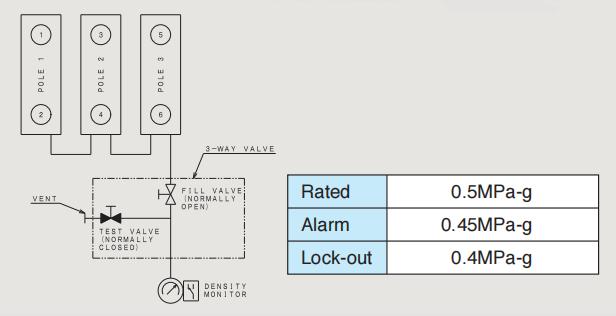
Dibujo de esquema
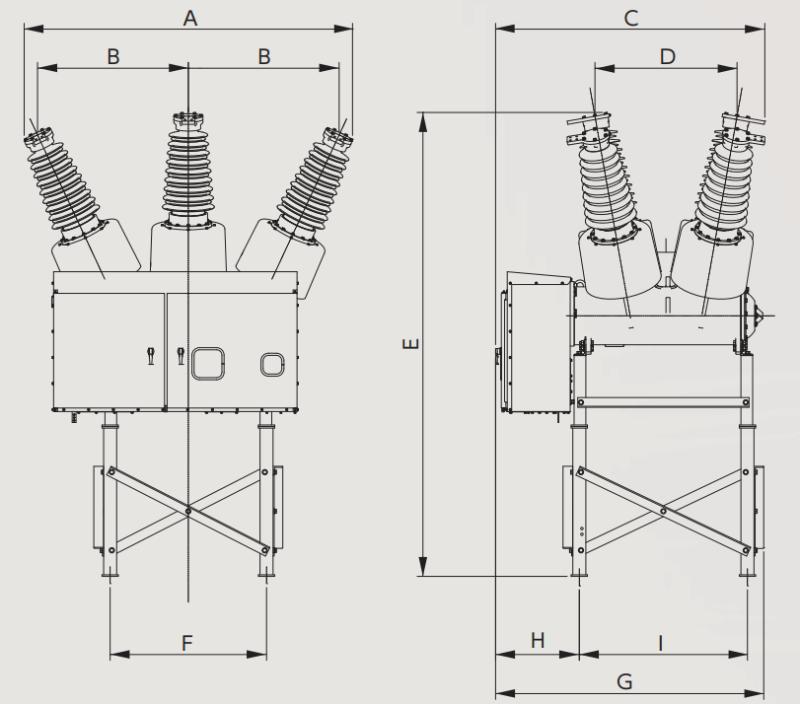
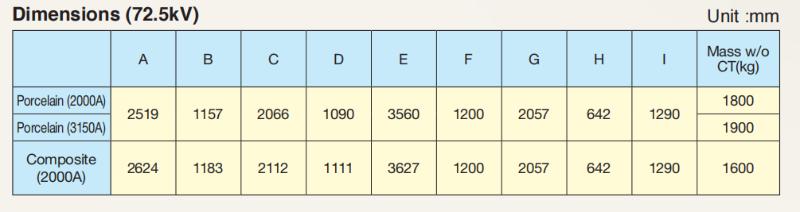
Dimensiones (72.5kV)
Dimensiones (36kV)
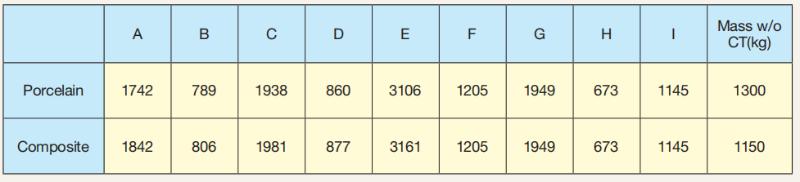
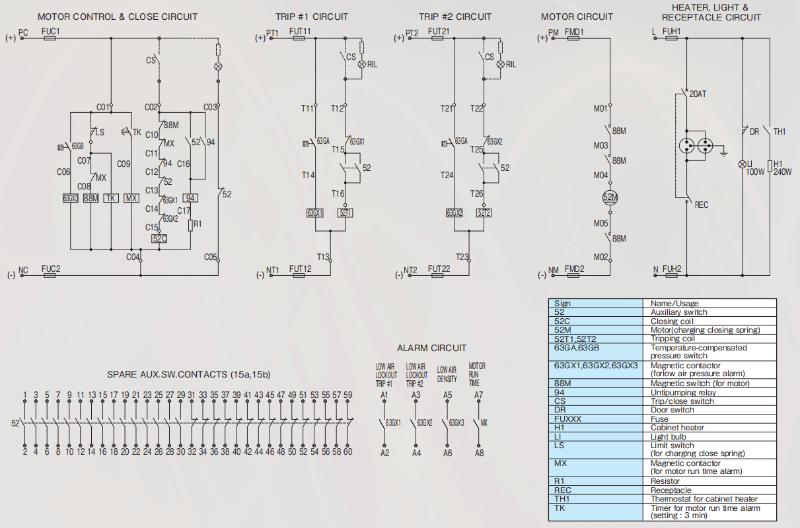
Diagrama de conexión estándar
Rendimiento
El rendimiento del interruptor ha sido diseñado de acuerdo con los estándares ANSI e IEC, y verificado mediante pruebas de tipo. Todos los productos se envían después de confirmar diversas prestaciones mediante pruebas de aceptación basadas en estos estándares.
Características de resistencia al voltaje :El rendimiento de resistencia al voltaje está asegurado a la presión especificada de aire seco. Aunque la presión de aire seco haya disminuido hasta el nivel de alarma, se puede garantizar el nivel de aislamiento requerido. Además, incluso si esta presión disminuye a la presión atmosférica, el interruptor resiste el voltaje nominal.
Rendimiento de paso de corriente :Dado que los contactos principales están ubicados bajo vacío, sus superficies nunca se oxidan y, por lo tanto, el rendimiento de paso de corriente se estabiliza. En el modo de cierre del interruptor, se ejerce una fuerza de presión entre los contactos principales debido al efecto del resorte de presión, asegurando así una tolerancia suficiente contra la corriente de cierre y la corriente de corta duración.
Vida mecánica : Debido a la adopción de un mecanismo de operación simplificado, las características de conmutación son extremadamente estables. El rendimiento de conmutación frecuente también ha sido verificado a través de pruebas de conmutación mecánica continua, repitiendo las operaciones de conmutación más de 10,000 veces.
Vida eléctrica : Dado que el corte de corriente se realiza en el interruptor de vacío, la energía arqueante generada durante la interrupción de la corriente es extremadamente baja y la erosión de los contactos es mínima. Esto implica una larga vida útil de los contactos. Conmutación de corriente de carga : 10,000 veces
Conmutación de corriente nominal de interrupción : 20 veces
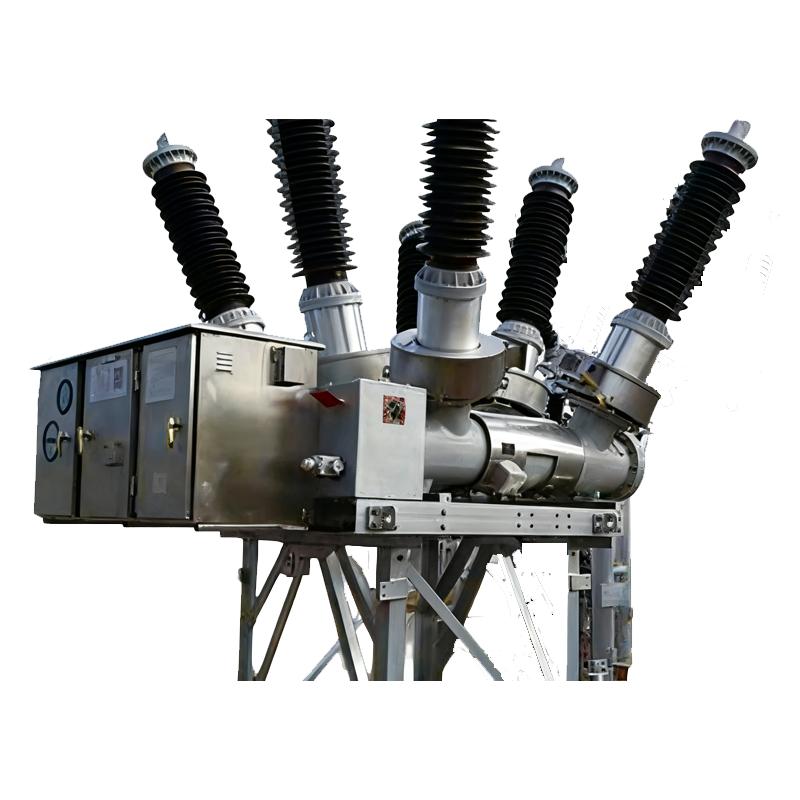
Estructura Integral del Tanque:
-
Estructura Integral del Tanque: La cámara de extinción de arco, el medio aislante y los componentes relacionados están sellados dentro de un tanque metálico lleno de gas aislante (como hexafluoruro de azufre) o aceite aislante. Esto forma un espacio relativamente independiente y sellado, que previene eficazmente que los factores ambientales externos afecten a los componentes internos. Este diseño mejora el rendimiento aislante y la confiabilidad del equipo, haciéndolo adecuado para diversos entornos exteriores adversos.
Disposición de la Cámara de Extinción de Arco:
-
Disposición de la Cámara de Extinción de Arco: La cámara de extinción de arco generalmente se instala dentro del tanque. Su estructura está diseñada para ser compacta, permitiendo una extinción de arco eficiente en un espacio limitado. Dependiendo de los diferentes principios y tecnologías de extinción de arco, la construcción específica de la cámara de extinción de arco puede variar, pero generalmente incluye componentes clave como contactos, boquillas y materiales aislantes. Estos componentes trabajan juntos para asegurar que el arco se extinga rápidamente y eficazmente cuando el interruptor interrumpe la corriente.
Mecanismo de Operación:
-
Mecanismo de Operación: Los mecanismos de operación comunes incluyen mecanismos accionados por resorte y mecanismos accionados hidráulicamente.
-
Mecanismo Accionado por Resorte: Este tipo de mecanismo es simple en estructura, altamente confiable y fácil de mantener. Impulsa las operaciones de apertura y cierre del interruptor a través del almacenamiento y liberación de energía en los resortes.
-
Mecanismo Accionado Hidráulicamente: Este mecanismo ofrece ventajas como alta potencia de salida y operación suave, lo que lo hace adecuado para interruptores de alta tensión y alta corriente.
Productos relacionados
-
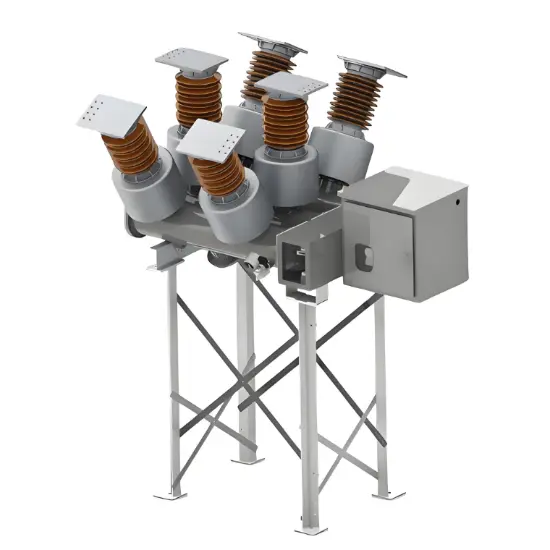
40.5kV 72.5kV 145kV 170kV 245kV Interruptor de circuito de tanque muerto a vacío
-
Personalización de Interruptor de Vacío de Tanque Muerto 145kV/138kV/230kV u Otro
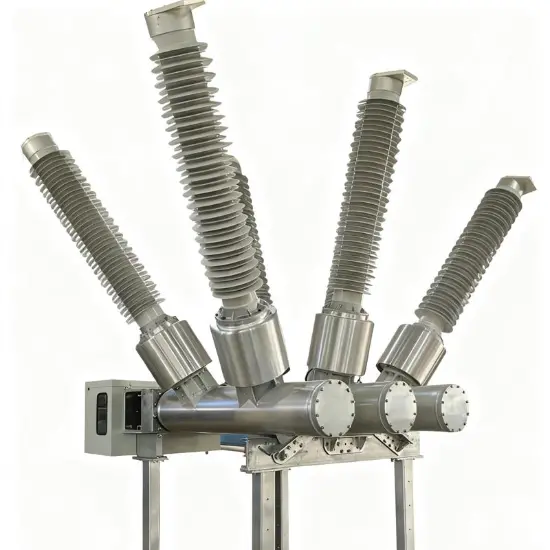
-
Interruptor de circuito SF6 de alta tensión AC de 126kV con depósito muerto
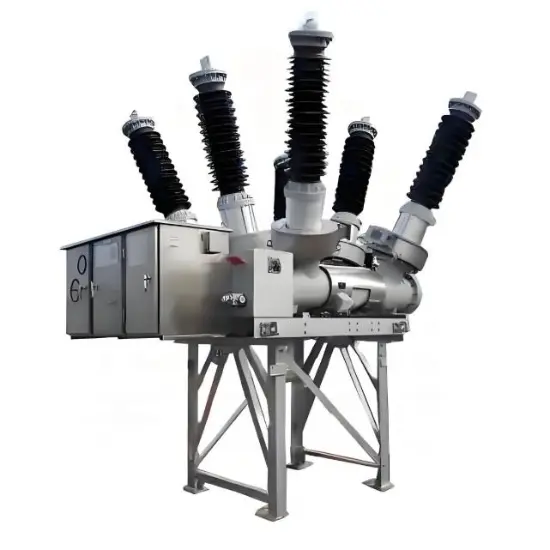
-
Interruptor de gas SF6 con depósito muerto RHD
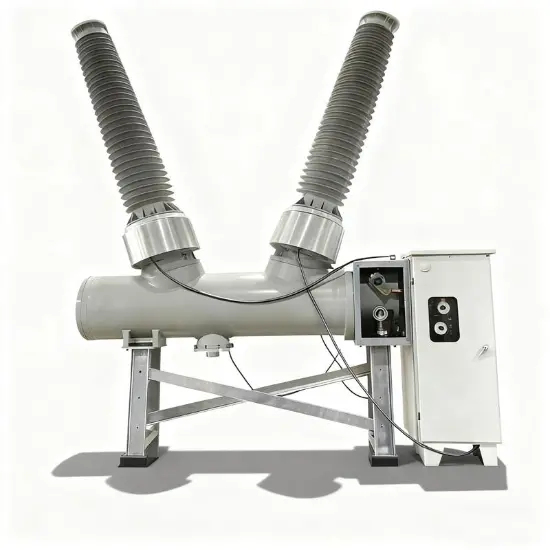
-
Interruptor de circuito SF6 HV 252kV 363kV 550kV 800kV
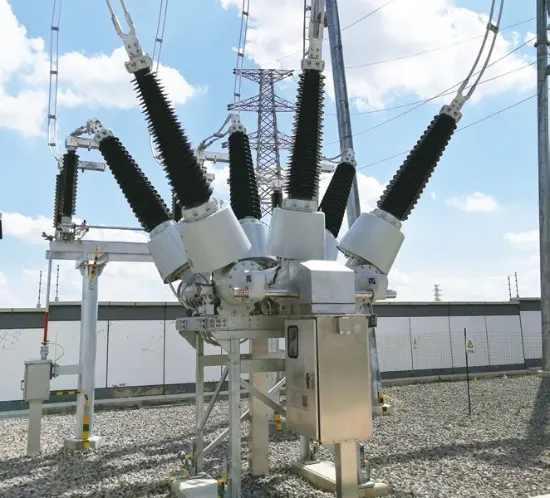
-
Interruptor de caja muerta en serie 40.5kV 72.5kV 145 kV 252kV
-
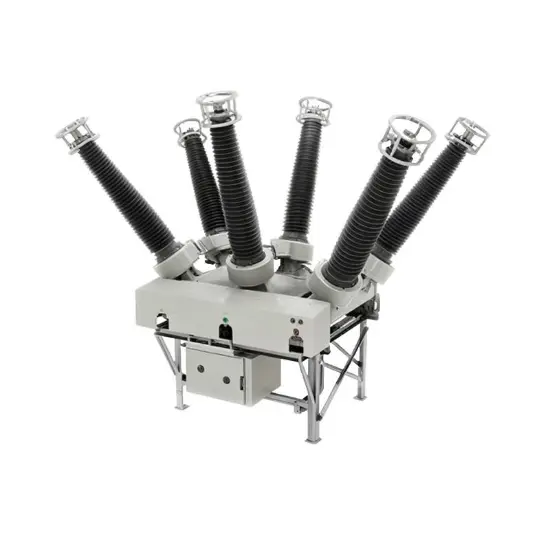
Personalización 230kV 245kV 252kV Interruptor de Corte SF6 con Tanque Muerto
-
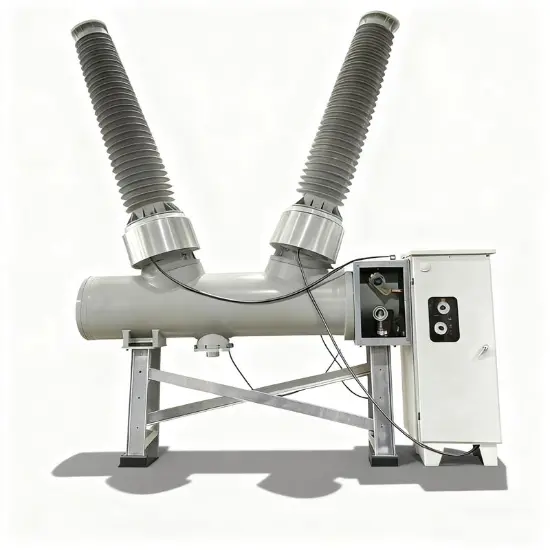
Interruptor de circuito SF6 de tanque muerto 145kV 150kV 170kV
-
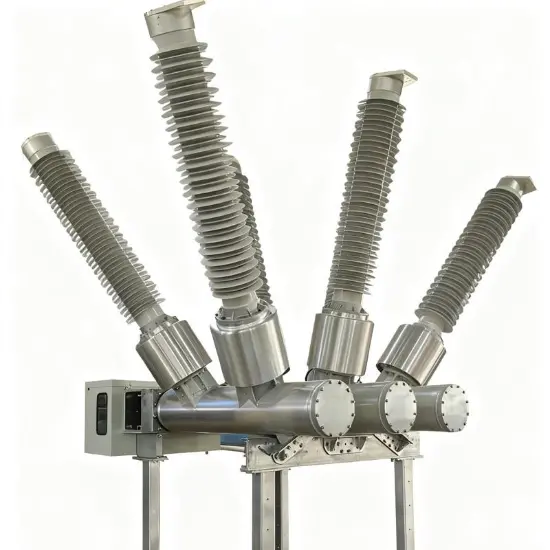
Interruptor de SF6 para tanque muerto de 420kV
-
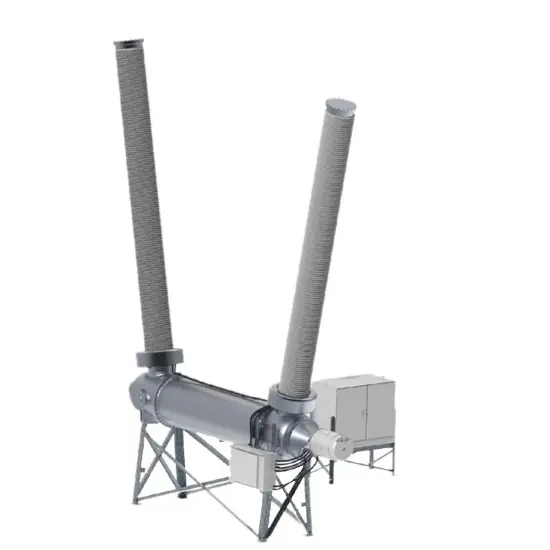
Interruptor de SF6 en tanque muerto de 40.5kV