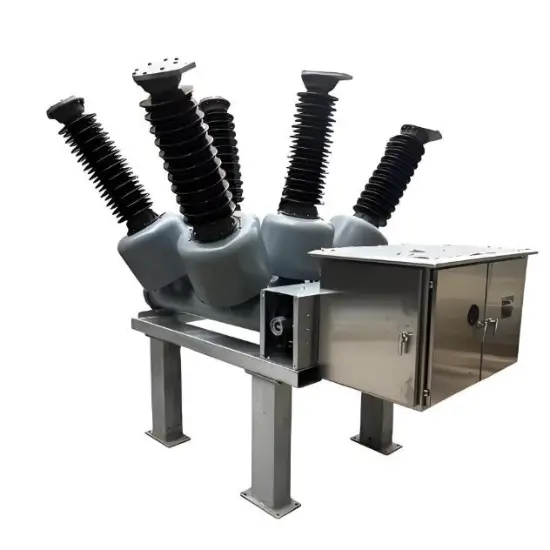
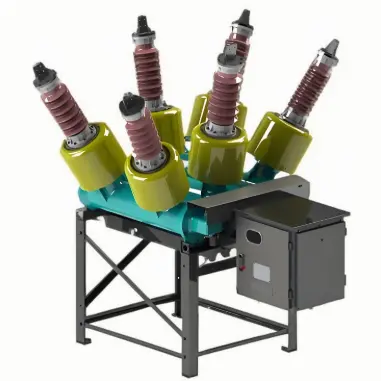
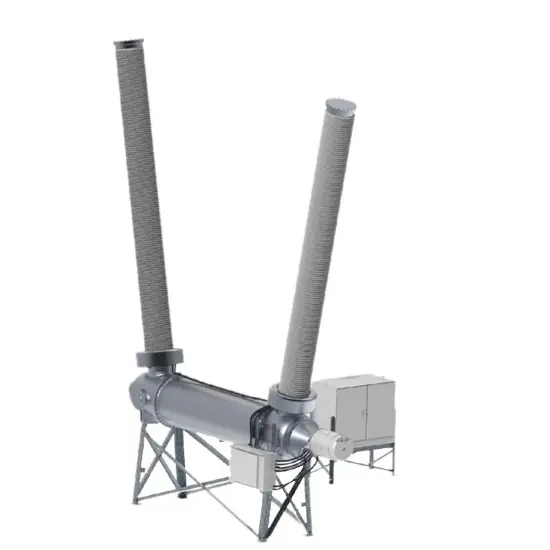
Interruttore a vuoto con serbatoio morto isolato ad aria secca 36kV 72.5kV
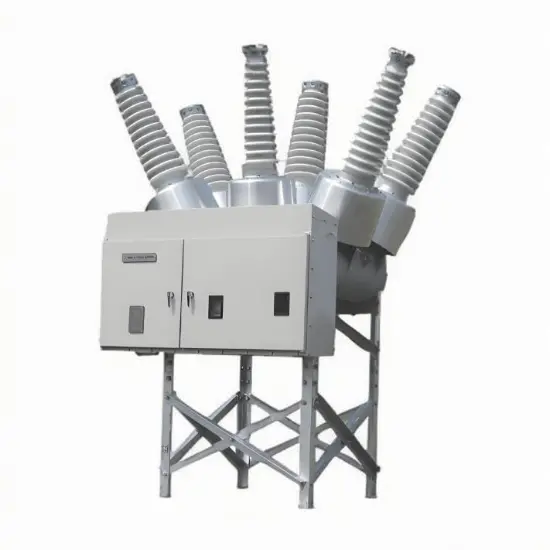
| Marca | ROCKWILL |
| Numero modello | 36kV 72.5kV Dry Air Insulated Dead Tank Vacuum Circuit Breaker(VCB) |
| tensione nominale | 72.5kV |
| corrente nominale | 2000A |
| frequenza nominale | 50/60Hz |
| Serie | NVBOA |
Descrizione
Il Disgiuntore a Interruttore al Vuoto (VCB) con Isolamento ad Aria Secca e Serbatoio Chiuso è nato dalla tecnologia superba e dall'ampia esperienza produttiva della Meidensha Corporation. È un disgiuntore che utilizza interruttori al vuoto e aria secca per l'isolamento. Non utilizzando SF6, gas responsabile dell'effetto serra, non c'è timore di decomposizione del gas a causa dell'interruzione della corrente. Pertanto, si tratta di un disgiuntore altamente affidabile e ad alte prestazioni.
Caratteristiche
Disgiuntore a serbatoio chiuso (VCB) ottimizzato per gli acquisti verdi. Utilizza aria secca per l'isolamento al posto dello SF6, classificato come gas serra. Il nostro concetto di base di design è realizzare i fattori ambientali nel design (3R (Ridurre, Riutilizzare e Riciclare) + LS (Lungo uso & Separabile)) e la riduzione dei costi totali di ciclo di vita (LCC) come concetti fondamentali.
Contributo alla prevenzione del riscaldamento globale
Viene impiegato l'isolamento ad aria secca invece dell'isolamento con gas SF6. Il potenziale di riscaldamento globale (GWP) dello SF6 è di 23.900.
Ottima performance di interruzione
Poiché ogni sezione di interruzione della corrente utilizza un interruttore al vuoto, le caratteristiche di recupero dell'isolamento sono eccellenti. Esso esibisce caratteristiche superbe in caso di interruzione di cortocircuito e di interruzione di linea breve.
Capacità sufficiente contro colpi multipli e guasti evolutivi
Poiché gli interruttori al vuoto utilizzati sono di tipo completamente auto-diffusivo, questo disgiuntore è l'unico capace di gestire colpi multipli e correnti di guasto evolutivo.
Riduzione del lavoro di manutenzione
L'utilizzo di interruttori al vuoto nelle sezioni di interruzione della corrente elimina la necessità di ispezioni per queste sezioni. Pertanto, si possono risparmiare ore uomo per la manutenzione e l'ispezione.
Tipo e Dati Tecnici
Specifiche Tecniche
Tensione nominale (kV) |
36 |
72.5 |
|
Tensione di resistenza |
1 minuto a frequenza industriale (kV eff.) |
70 |
140 |
Impulso 1.2x50μs (kV picco) |
200 |
350 |
|
Frequenza nominale (Hz) |
50/60 |
||
Corrente nominale normale (A) |
2000 |
2000/3150 |
|
Corrente nominale di interruzione (kA) |
31.5 |
40 |
|
Tensione di recupero transitoria nominale |
Velocità di salita (kV/μs)) |
1.19 |
1.47 |
Fattore del primo polo da sganciare |
1.5 |
||
Corrente nominale di chiusura in corto (kA) |
82 |
104 |
|
Corrente nominale a breve termine (kA) |
31.5 (3s) |
40 (3s) |
|
Tempo di interruzione nominale (ciclo) |
3 |
||
Tempo di apertura nominale (s) |
0.033 |
0.03 |
|
Tempo di chiusura a vuoto (s) |
0.05 |
0.10 |
|
Ciclo di operazione |
O-0.3s-CO-15s-CO |
||
Tensione di controllo di chiusura (Vcc) |
48, 100, 110, 125, 250 |
||
Tensione nominale di trip (Vcc) |
48, 100, 110, 125, 250 |
||
Tensione di alimentazione per motore di carica |
(Vcc) |
48, 100, 110, 125, 250 |
|
(Vac) |
60, 120, 240 |
||
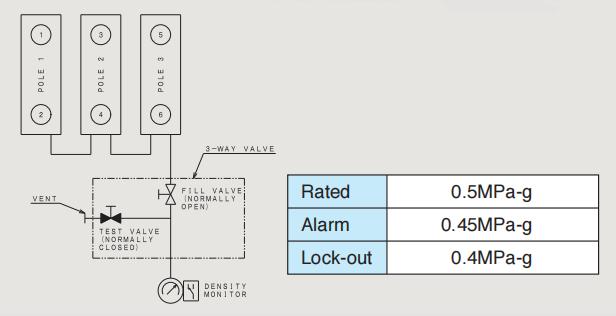
Pressione nominale d'aria secca |
0.5MPa-g (a 20℃ ) |
||
Sistema di chiusura |
Molla |
||
Sistema di controllo di trip |
Molla |
||
Norma applicabile |
IEC 62271-100-2008, ANSI/IEEE C37.06-2009 |
||
Costruzione
Costruzione generale
Per ogni fase, un interruttore ad interruzione del vuoto è alloggiato nella vasca a terra. Il sistema di funzionamento è tale che la chiusura e l'apertura vengono effettuate tramite forza di molla. Il meccanismo di comando e il collegamento trifase sono montati su una base comune, che è installata sulle gambe della struttura.
Costruzione interna
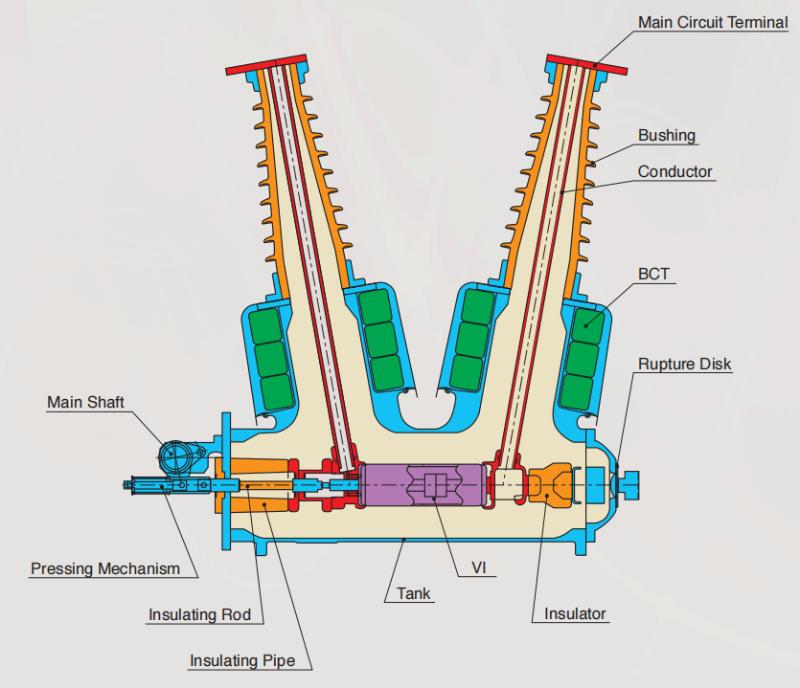
La struttura complessiva è composta principalmente da vasca a terra, interruttori ad interruzione del vuoto (VI), barre isolanti, bocchette e terminali del circuito principale. Ogni vasca a terra è riempita con aria secca mantenuta a una pressione nominale di 0,5 MPa-g (20℃).
Costruzione interna dell'interruttore ad interruzione del vuoto
Sistema di aria secca
Disegno di contorno
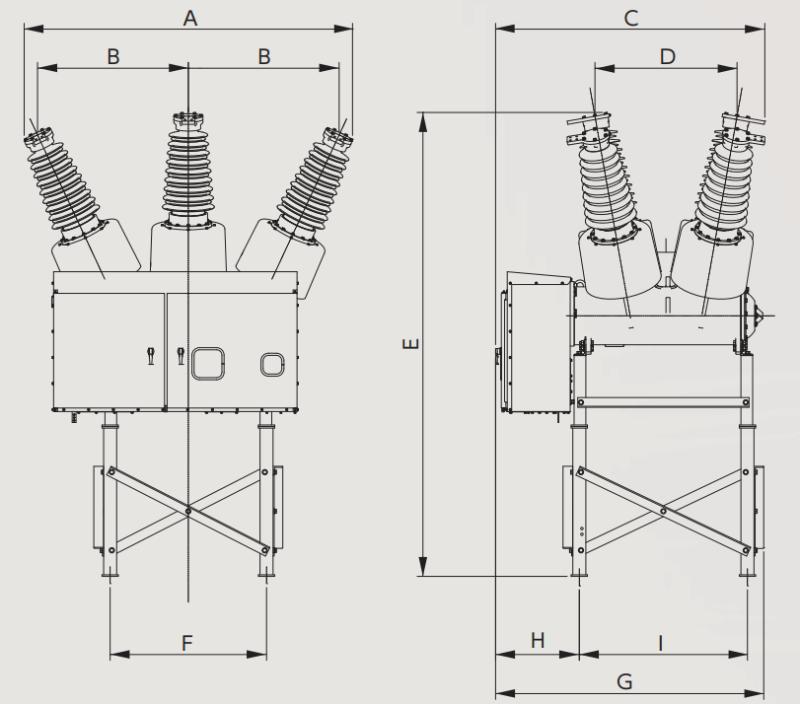
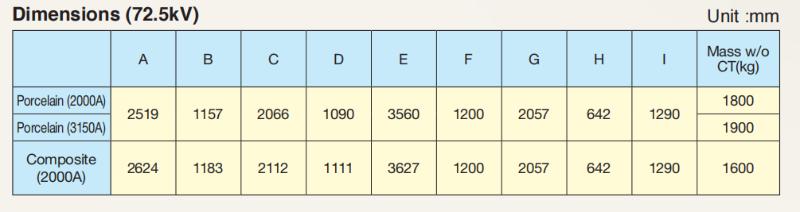
Dimensioni (72,5 kV)
Dimensioni (36 kV)
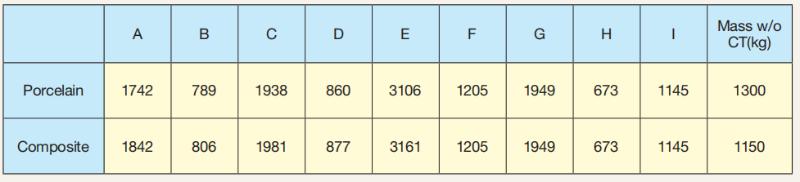
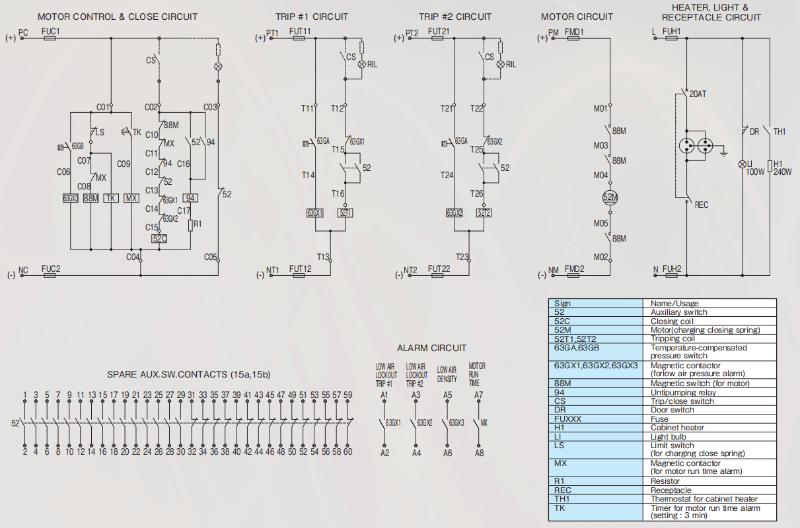
Diagramma di connessione standard
Prestazioni
Le prestazioni dell'interruttore sono state progettate in conformità con gli standard ANSI e IEC, e verificate mediante prove di tipo. Tutti i prodotti vengono spediti dopo la conferma delle varie prestazioni attraverso prove di accettazione basate su questi standard.
Caratteristiche di resistenza al voltaggio :Le prestazioni di resistenza al voltaggio sono garantite alla pressione specificata di aria secca. Anche se la pressione dell'aria secca si abbassa al livello di allarme, viene assicurato il livello di isolamento richiesto. Inoltre, anche se questa pressione si abbassa alla pressione atmosferica, l'interruttore resiste alla tensione nominale.
Prestazioni di passaggio di corrente :Poiché i contatti principali si trovano sotto vuoto, le loro superfici non si ossidano e le prestazioni di passaggio di corrente sono quindi stabilizzate. Nella modalità di chiusura dell'interruttore, una forza di pressione viene esercitata tra i contatti principali per effetto della molla di pressione, assicurando una sufficiente tolleranza contro la corrente di chiusura e la corrente a breve termine.
Vita meccanica :Grazie all'adozione di un meccanismo di funzionamento semplificato, le caratteristiche di commutazione sono estremamente stabilizzate. Le prestazioni di commutazione frequenti sono state inoltre verificate attraverso prove di commutazione meccanica continue, ripetendo le operazioni di commutazione più di 10.000 volte.
Vita elettrica :Poiché l'interruzione del corrente avviene nell'interruttore ad interruzione del vuoto, l'energia arco generata durante l'interruzione del corrente è estremamente bassa e l'erosione dei contatti è minima. Ciò implica una lunga vita dei contatti.Cambio di corrente di carico : 10.000 volte
Cambio di corrente di interruzione nominale : 20 volte
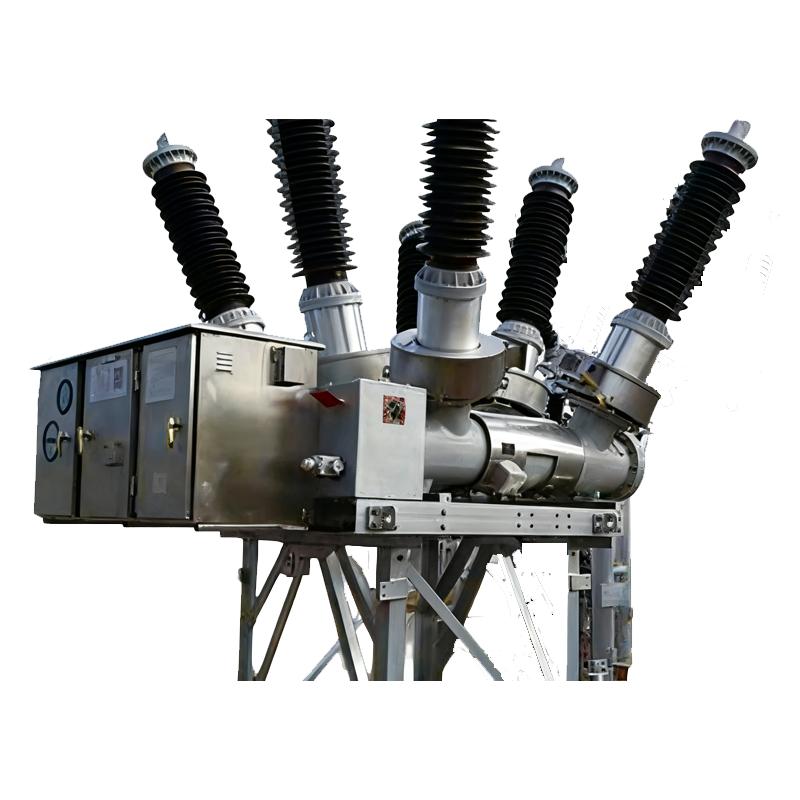
Struttura Integrata del Serbatoio:
-
Struttura Integrata del Serbatoio: La camera di spegnimento dell'arco, il mezzo isolante e i componenti correlati sono sigillati all'interno di un serbatoio metallico riempito con un gas isolante (come l'esaoxifluoruro di zolfo) o con olio isolante. Questo forma uno spazio relativamente indipendente e sigillato, prevenendo efficacemente la contaminazione da fattori ambientali esterni sui componenti interni. Questa progettazione migliora le prestazioni isolanti e la affidabilità dell'equipaggiamento, rendendolo adatto a vari ambienti esterni difficili.
Disposizione della Camera di Spegnimento dell'Arco:
-
Disposizione della Camera di Spegnimento dell'Arco: La camera di spegnimento dell'arco è tipicamente installata all'interno del serbatoio. La sua struttura è progettata per essere compatta, permettendo un efficiente spegnimento dell'arco in uno spazio limitato. A seconda dei diversi principi e tecnologie di spegnimento dell'arco, la costruzione specifica della camera di spegnimento dell'arco può variare, ma generalmente include componenti chiave come contatti, ugelli e materiali isolanti. Questi componenti lavorano insieme per assicurare che l'arco venga rapidamente e efficacemente spento quando l'interruttore interrompe la corrente.
Mechanismo Operativo:
-
Mechanismo Operativo: I meccanismi operativi comuni includono meccanismi a molla e meccanismi idraulici.
-
Mechanismo a Molla: Questo tipo di meccanismo ha una struttura semplice, è altamente affidabile e facile da mantenere. Esso guida le operazioni di apertura e chiusura dell'interruttore attraverso lo stoccaggio e il rilascio di energia delle molle.
-
Mechanismo Idraulico: Questo meccanismo offre vantaggi come alta potenza di uscita e funzionamento fluido, rendendolo adatto per interruttori di classe alta tensione e alta corrente.
Prodotti correlati
-
40.5kV 72.5kV 145kV 170kV 245kV Dispositivo di interruzione a campana morta e vuoto
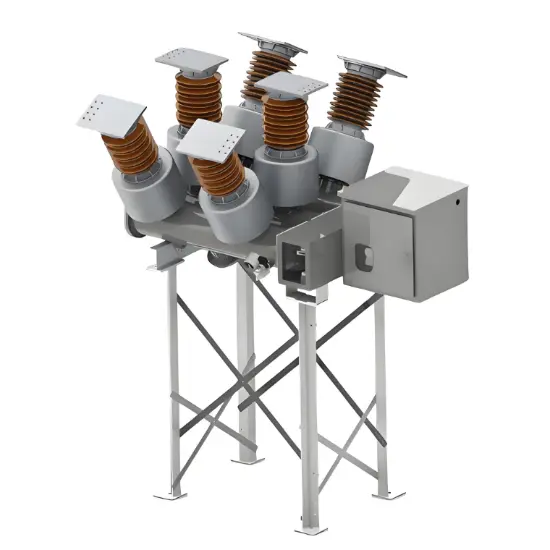
-
Personalizzazione 145kV/138kV/230kV o altro interruttore a vuoto per serbatoio morto
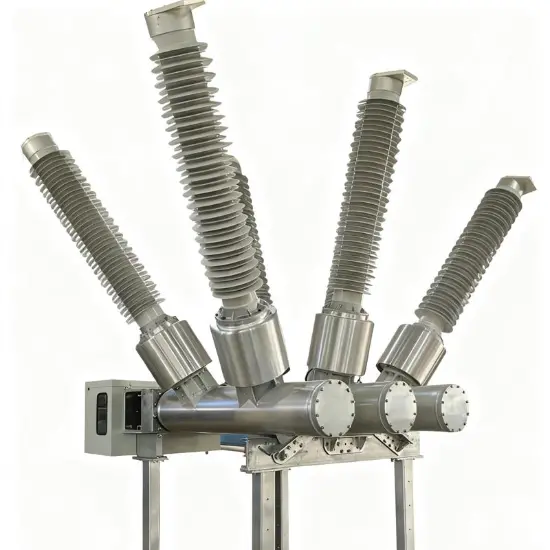
-
Interruttore a SF6 per corrente alternata ad alta tensione 126kV con serbatoio morto
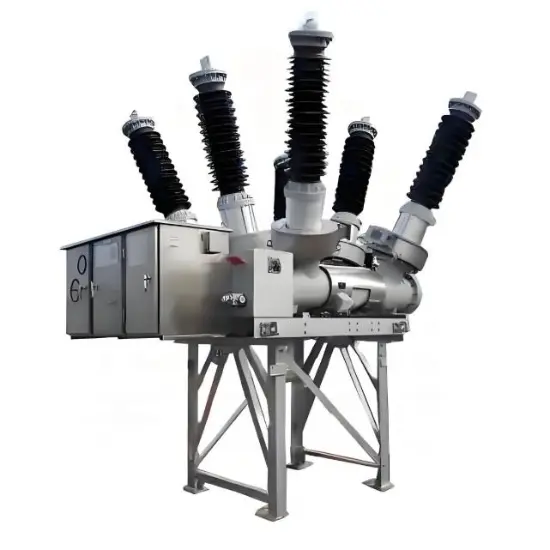
-
RHD-serbatoio esterno interrotitore a gas SF6
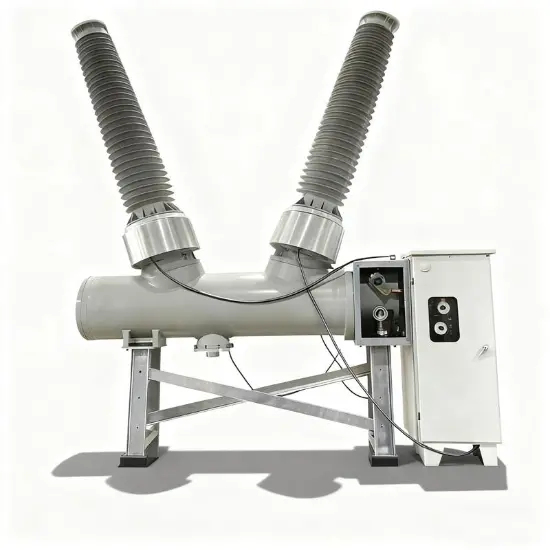
-
Interruttore SF6 HV 252kV 363kV 550kV 800kV
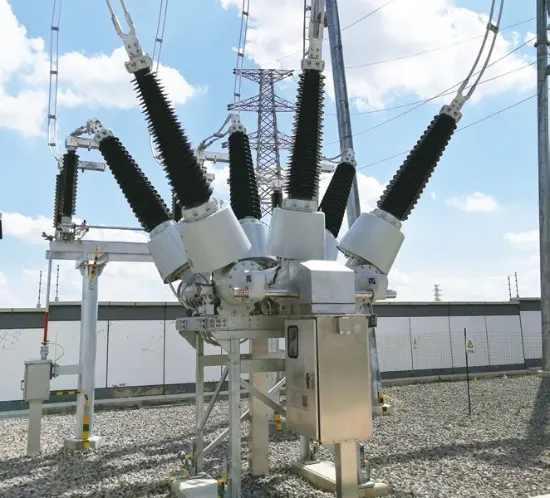
-
40.5kV 72.5kV 145 kV 252kV Serie Interruttore a camera morta
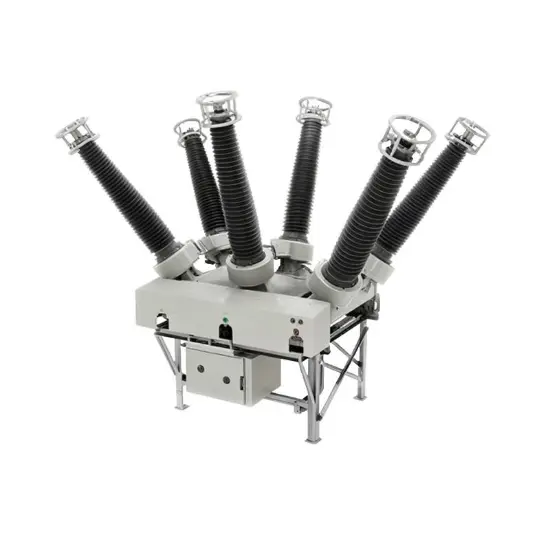
-
Interruttore a SF6 per morto contatto da 252kV
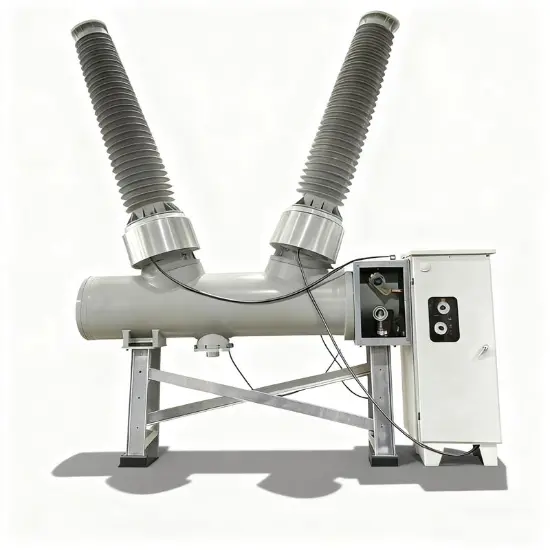
-
Interruttore SF6 a serbatoio morto 145kV 150kV 170kV
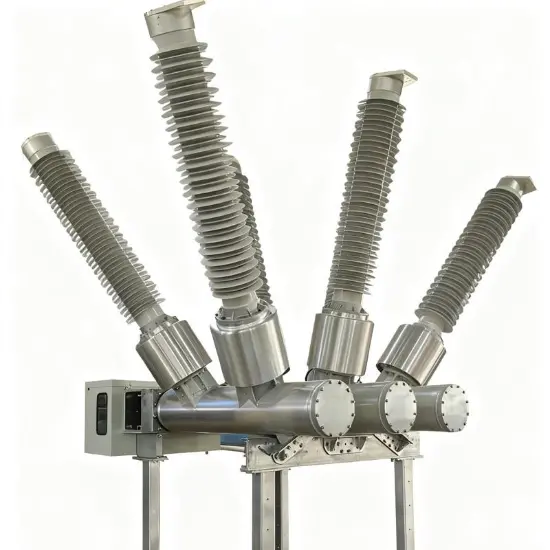
-
Interruttore SF6 a camera morta da 420kV
-
Interruttore SF6 a camera morta 40.5kV